20 August — 15 November 2026
Sefton Rani:
Clear My Throat
Presented by 2026 Guest Curator Dina Jezdić
Opening Celebration • Thursday 20 August • 6 - 7:30PM
In Conversation: Dina Jezdić & Sefton Rani • Saturday 22 August • 3 - 4PM
Clear My Throat evokes the moment before a speech: the clearing of space, breath, and intention. This gesture, calls forth ancestral presence, allowing them to speak through us.
Through burning, stripping, layering, and fusing paint, wood, and found materials, Sefton Rani develops what he calls industrial tapa—surfaces where pressure, memory, and place remain materially inscribed. Creation becomes invocation.
Engaging scent, sound, and scale, the exhibition reimagines colonial domestic architecture as a living body, bringing Rani’s new works into dialogue with selected works from The Arts House Trust Collection to trace shifting relations between materiality, geography, and time.
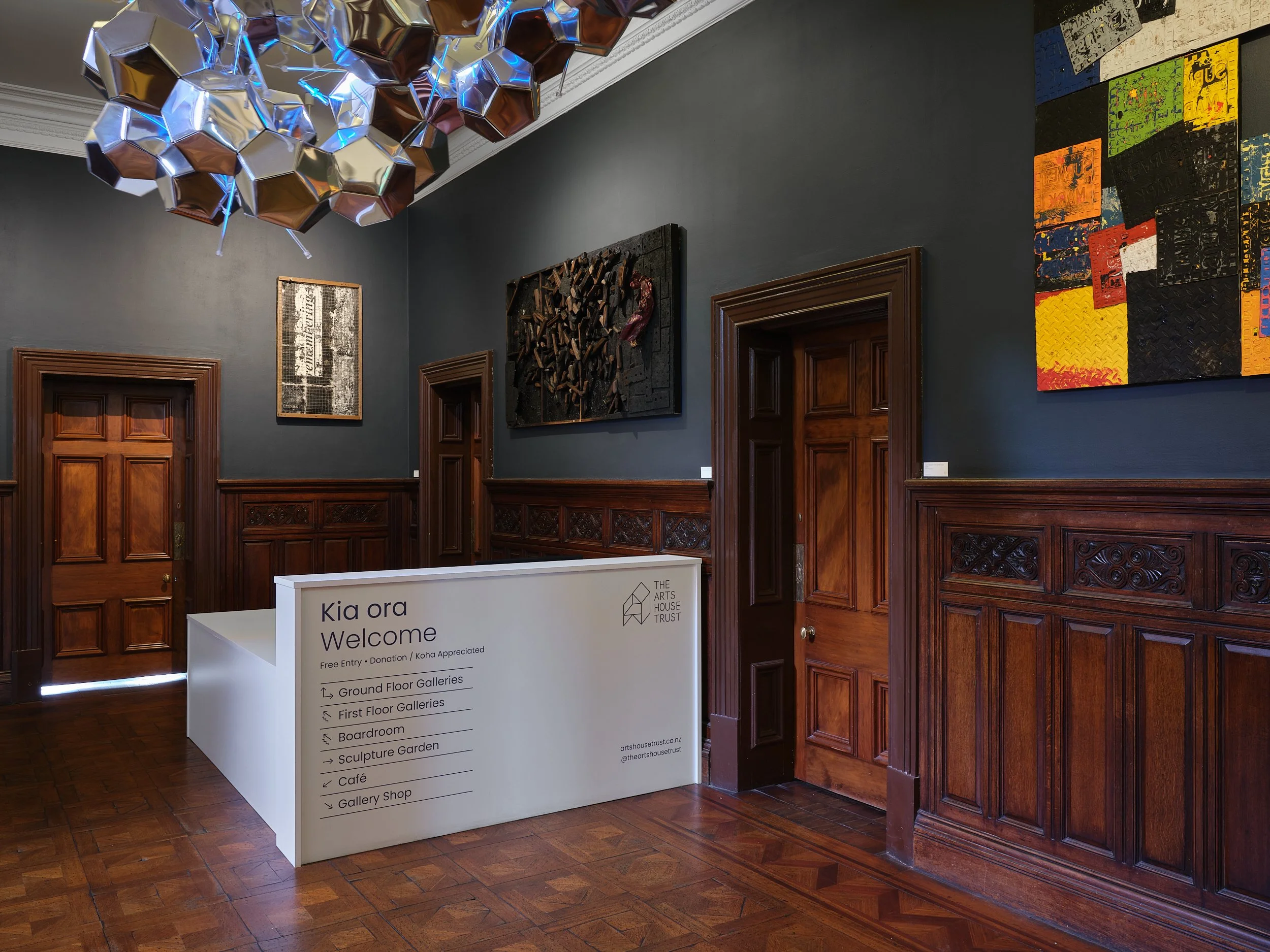
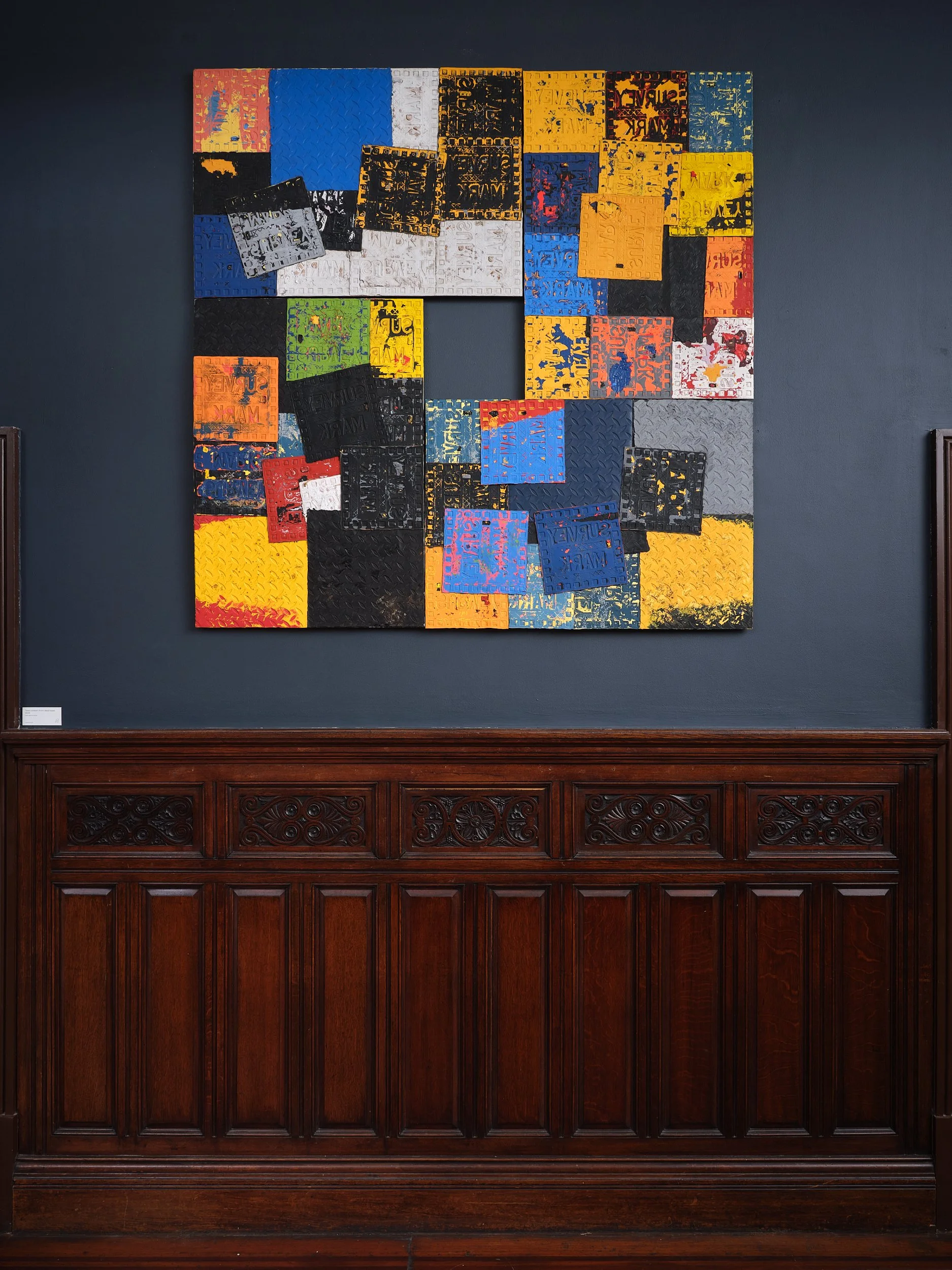
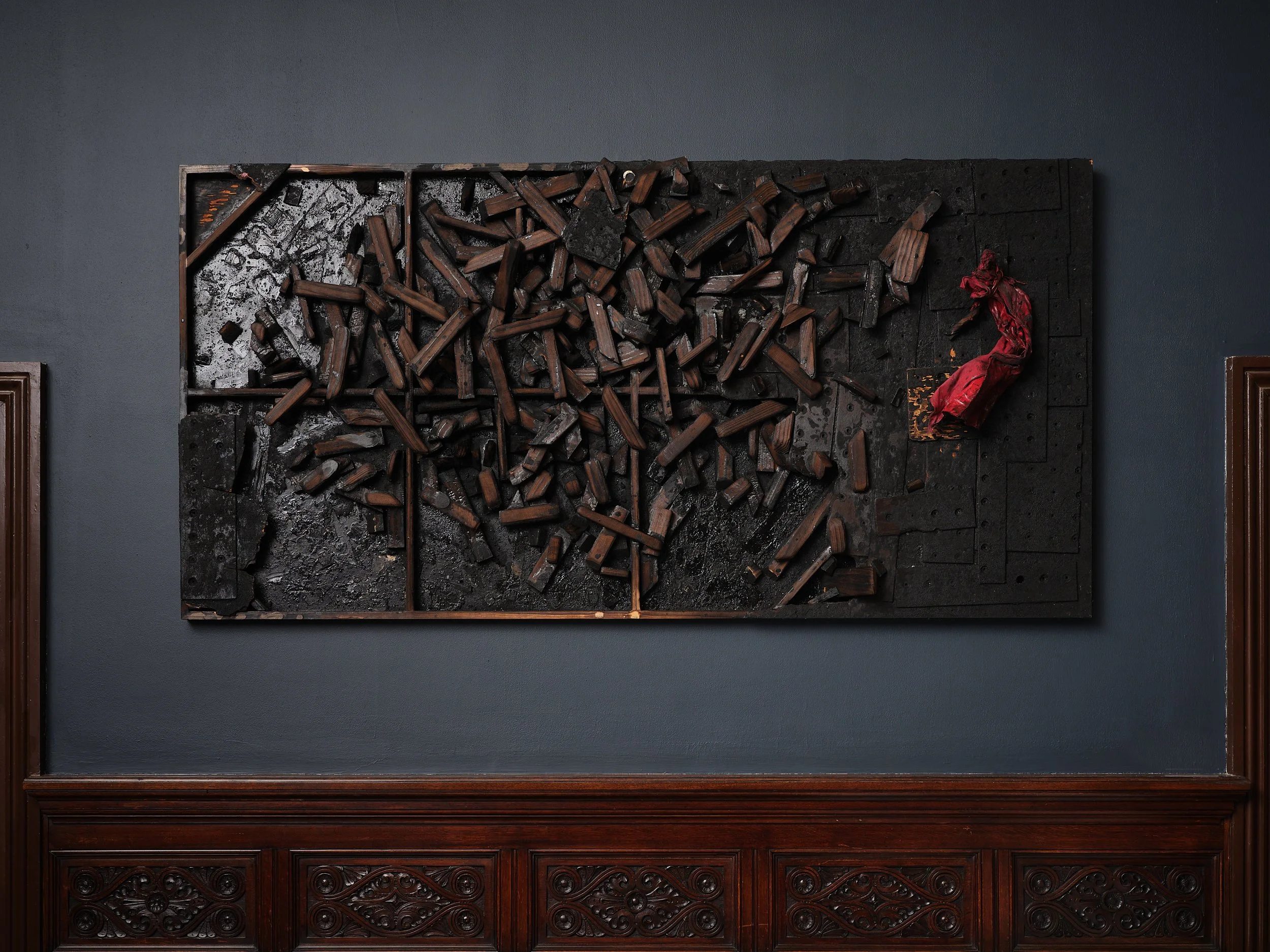
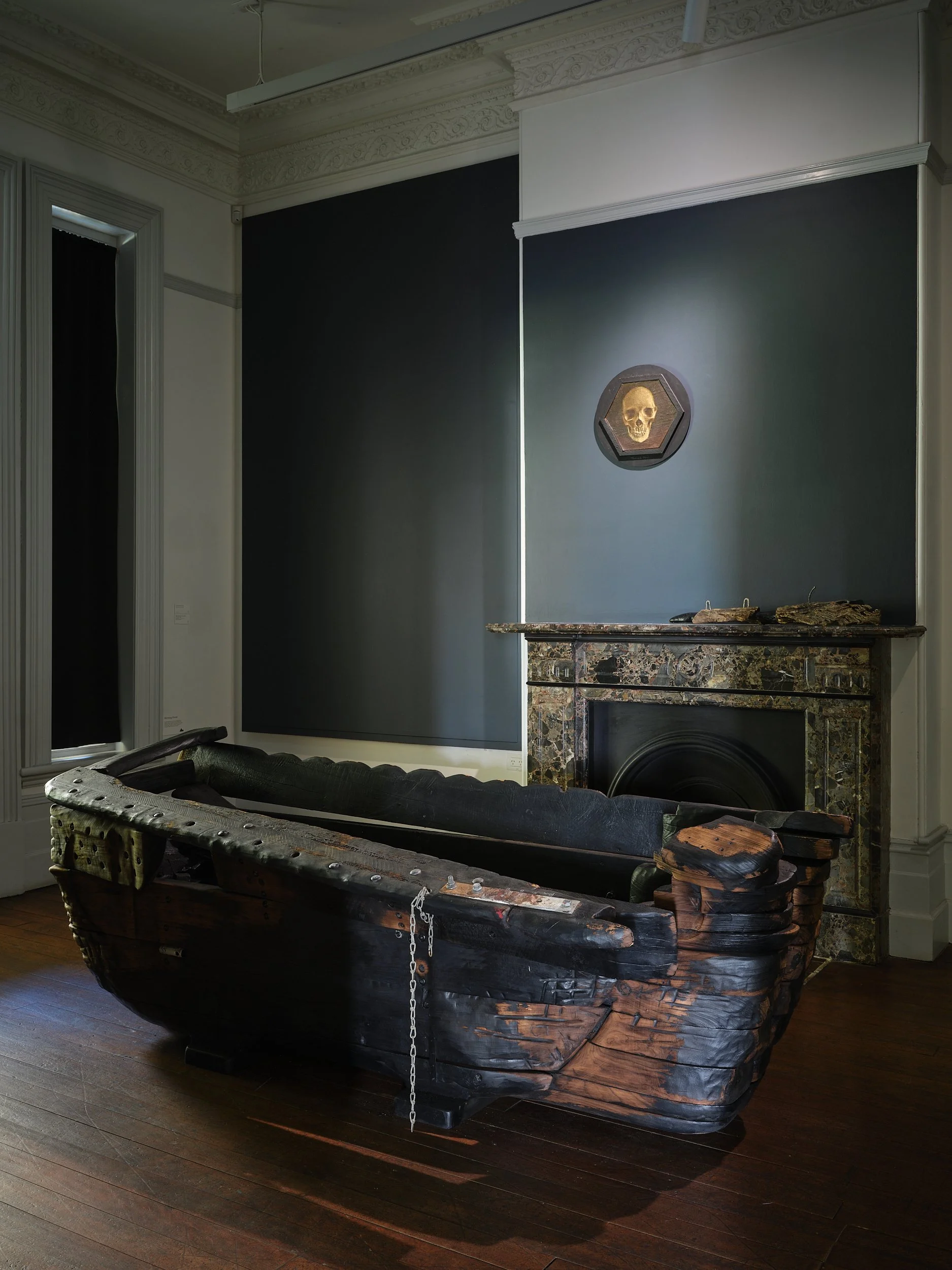
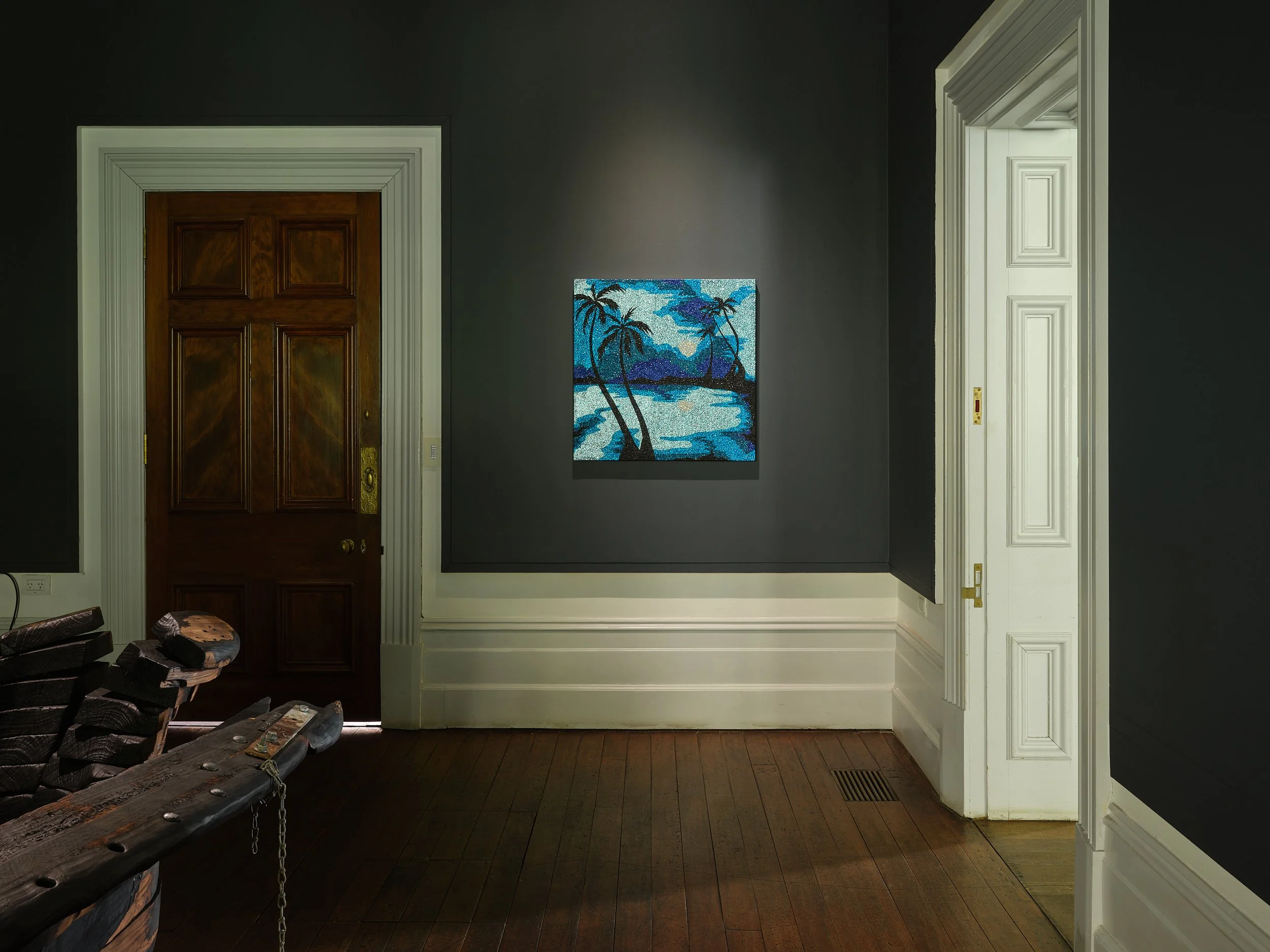
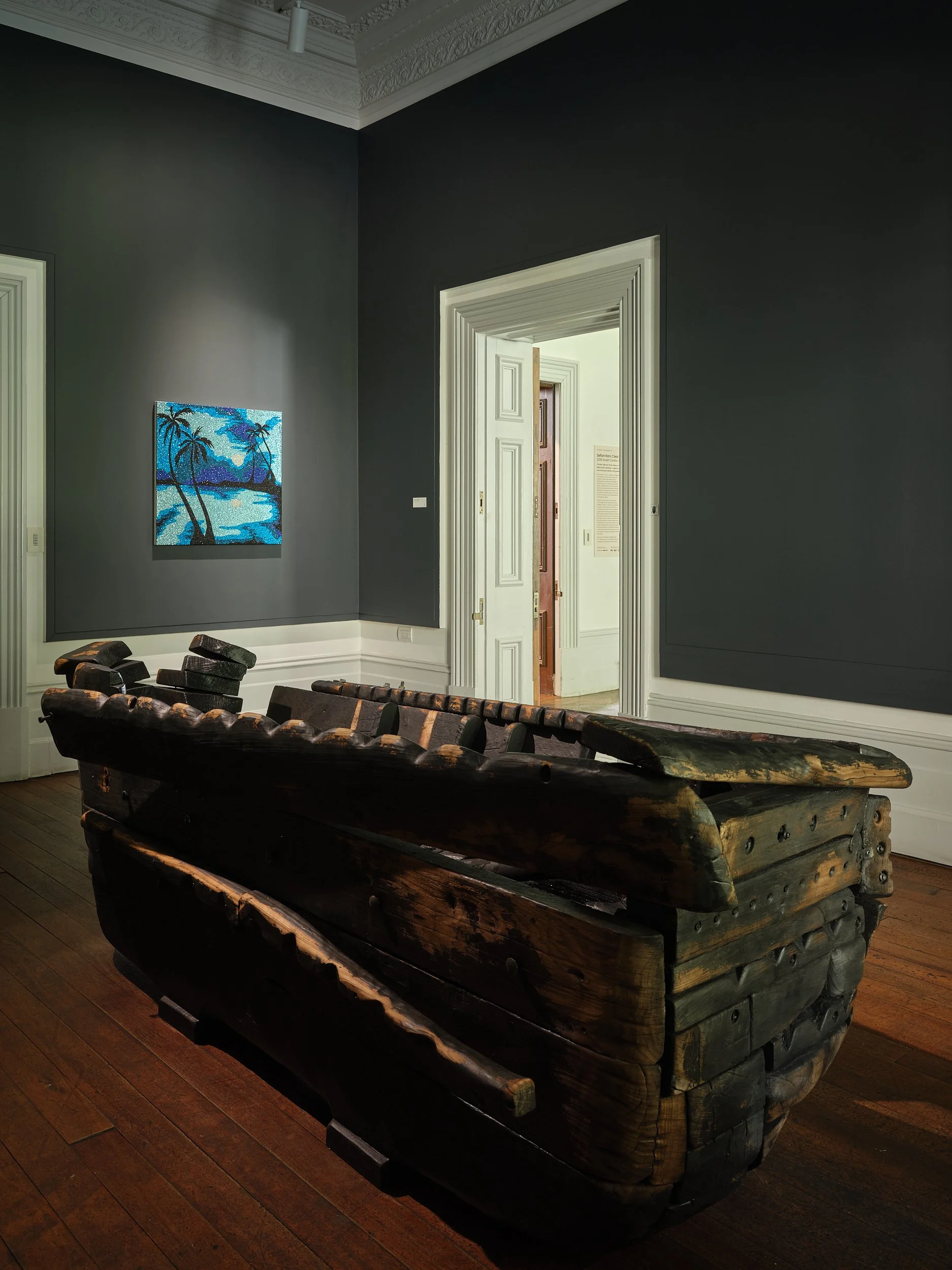
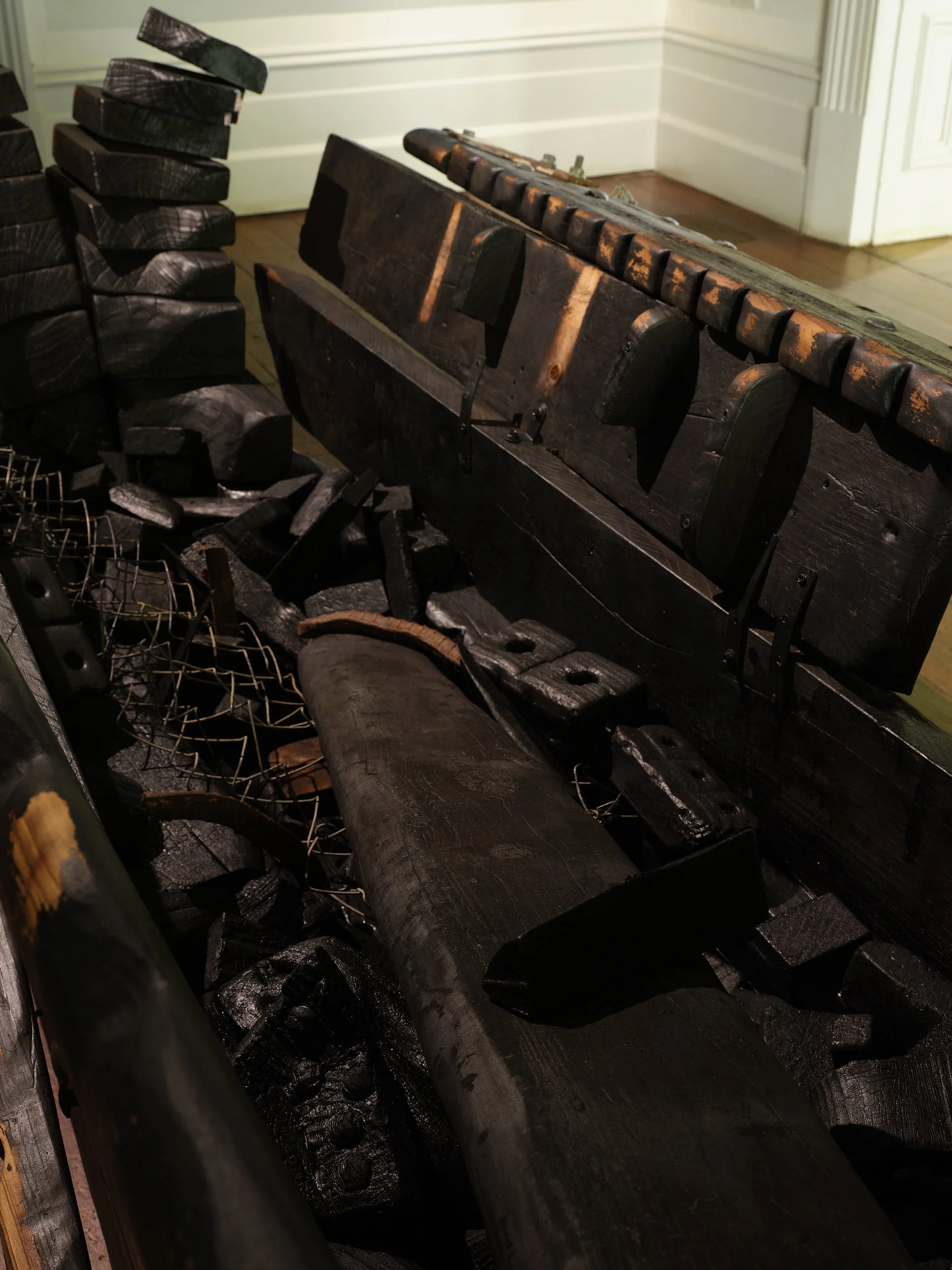
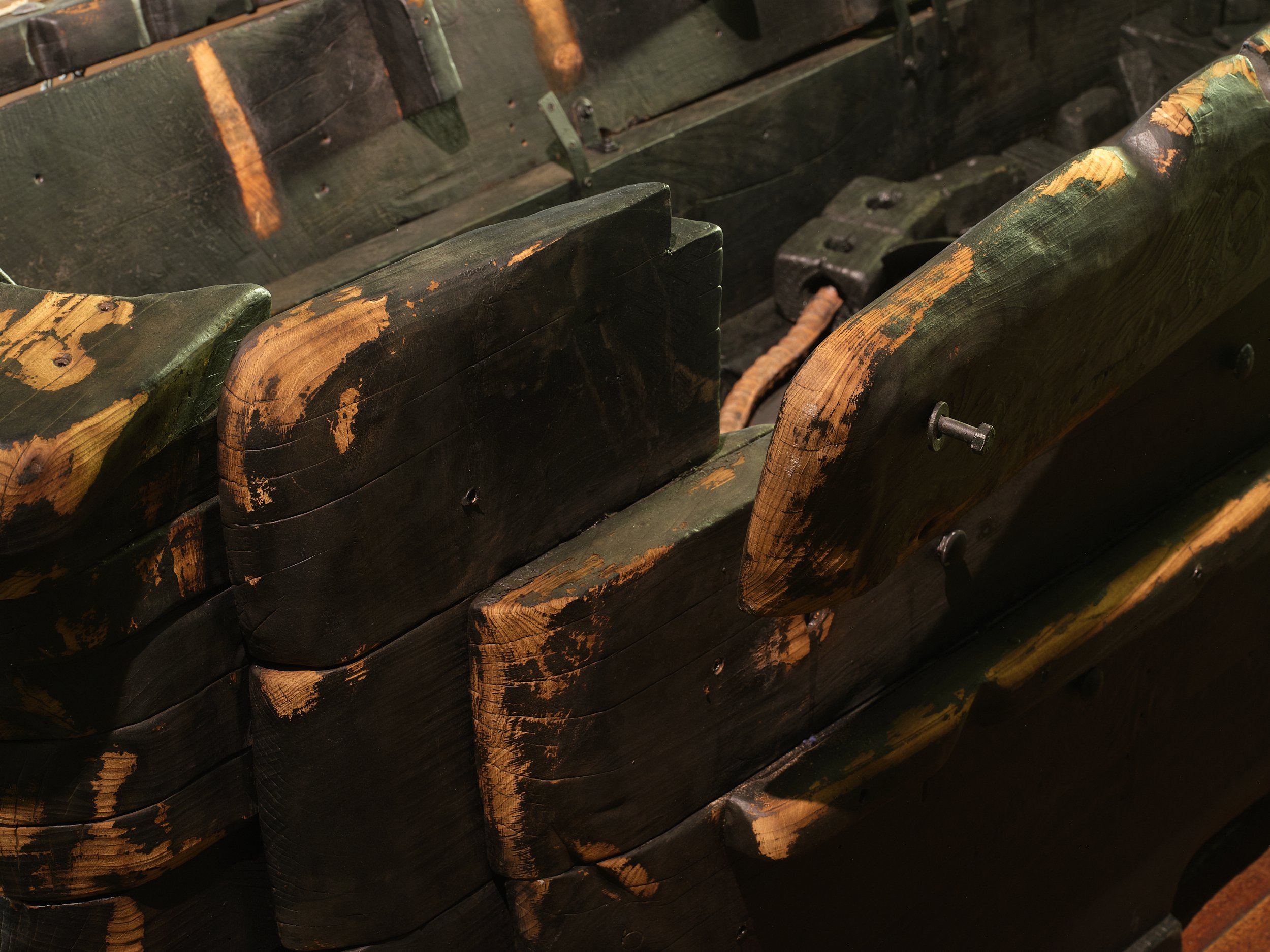
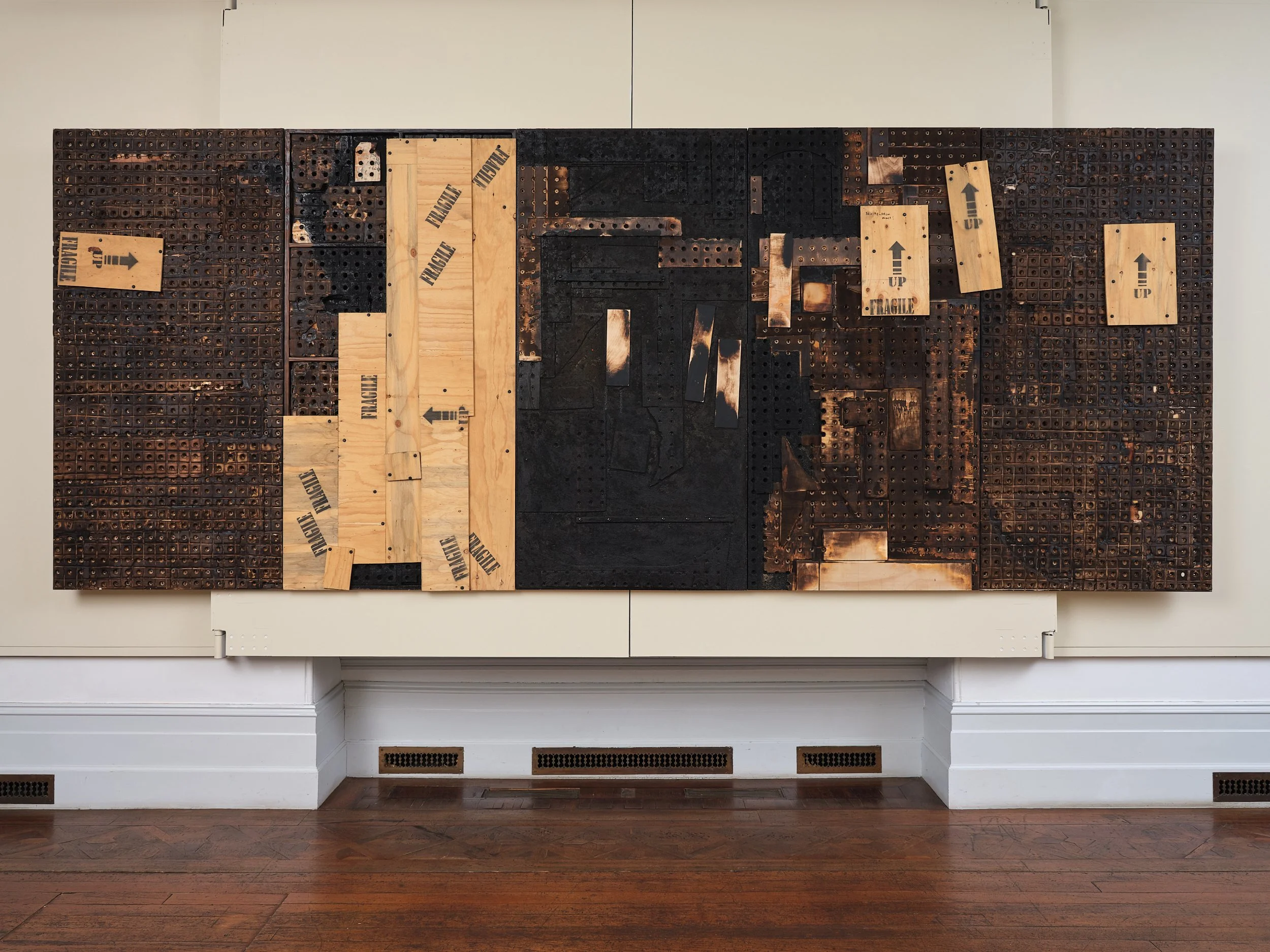
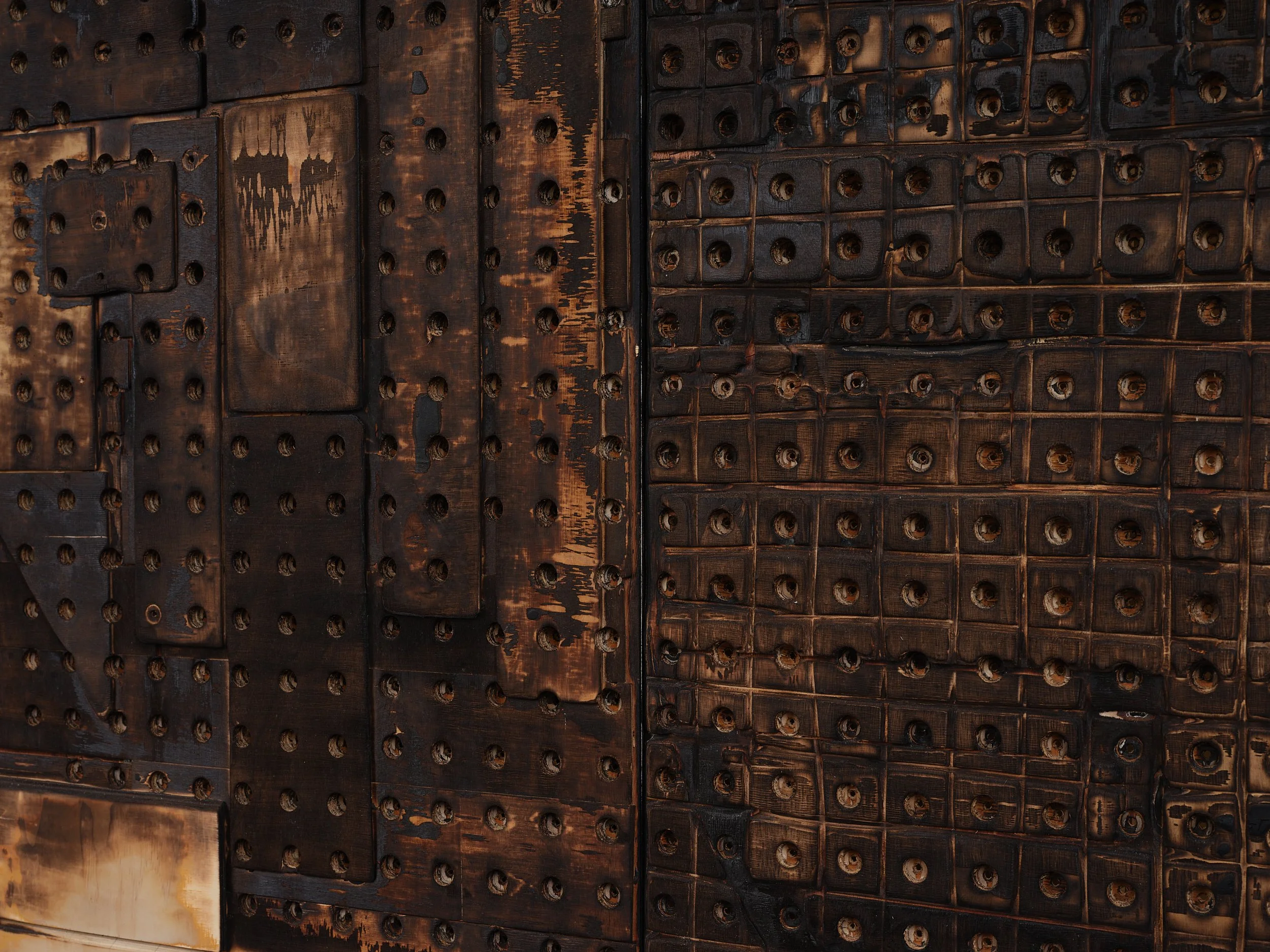
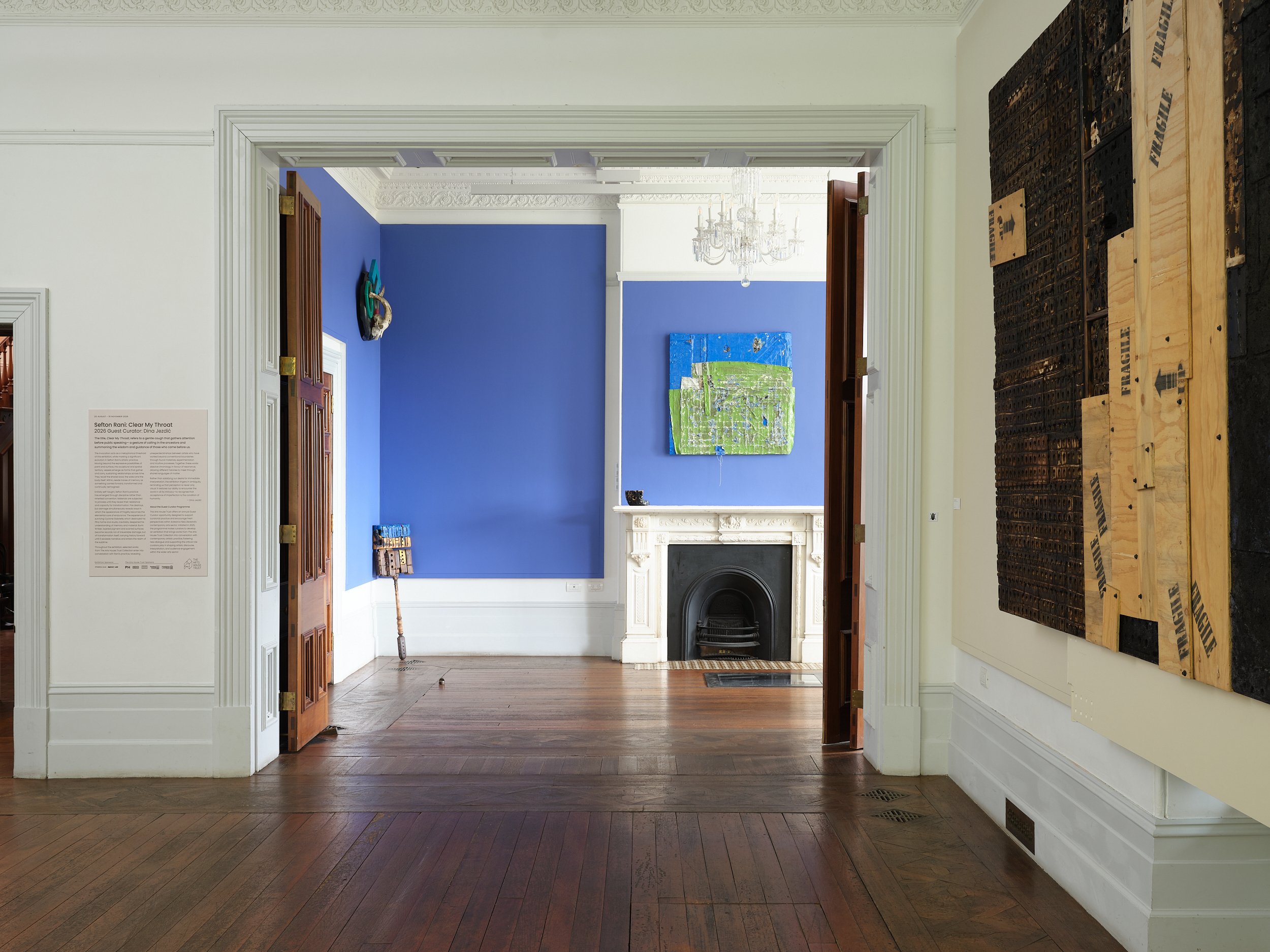
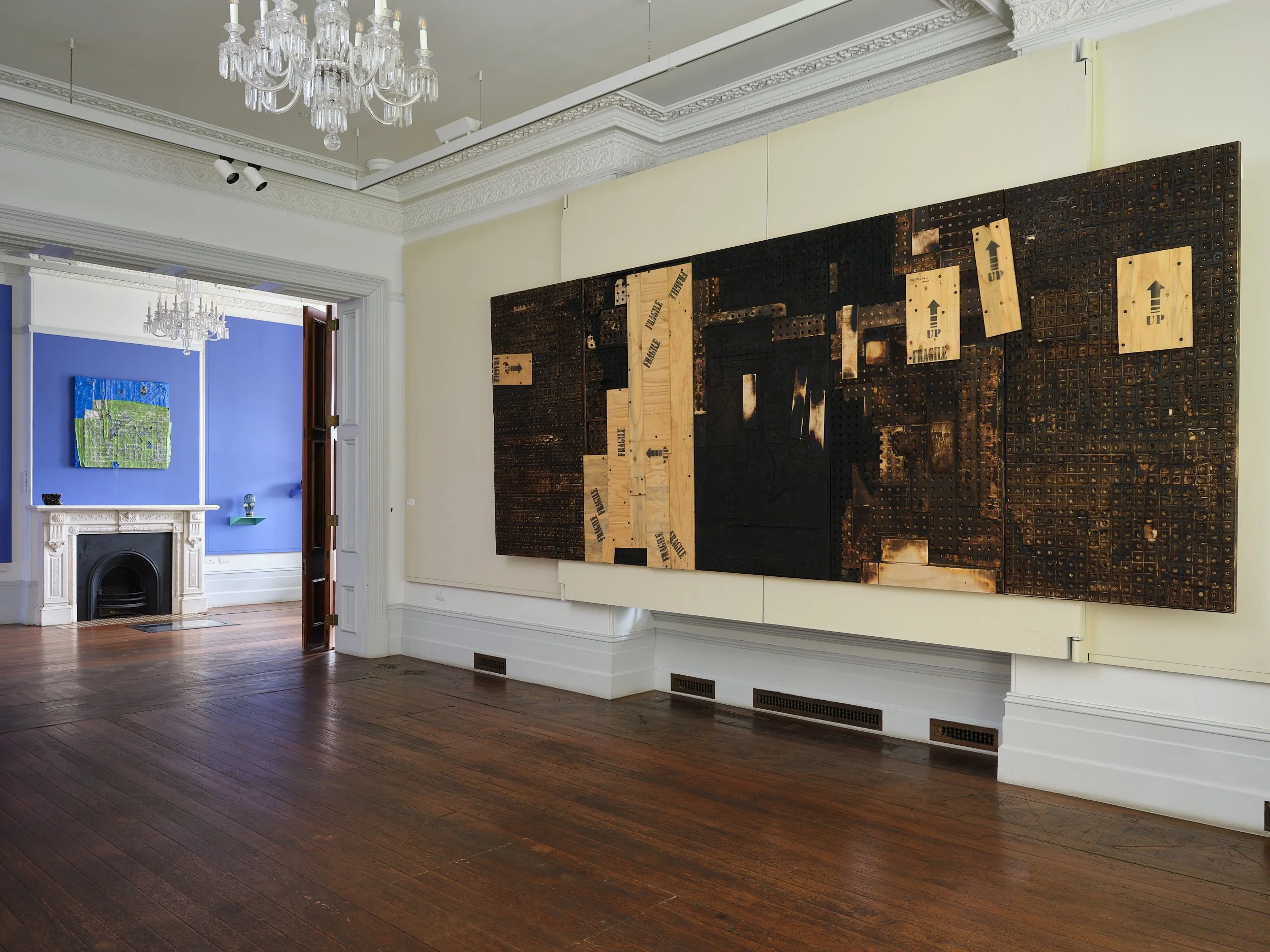
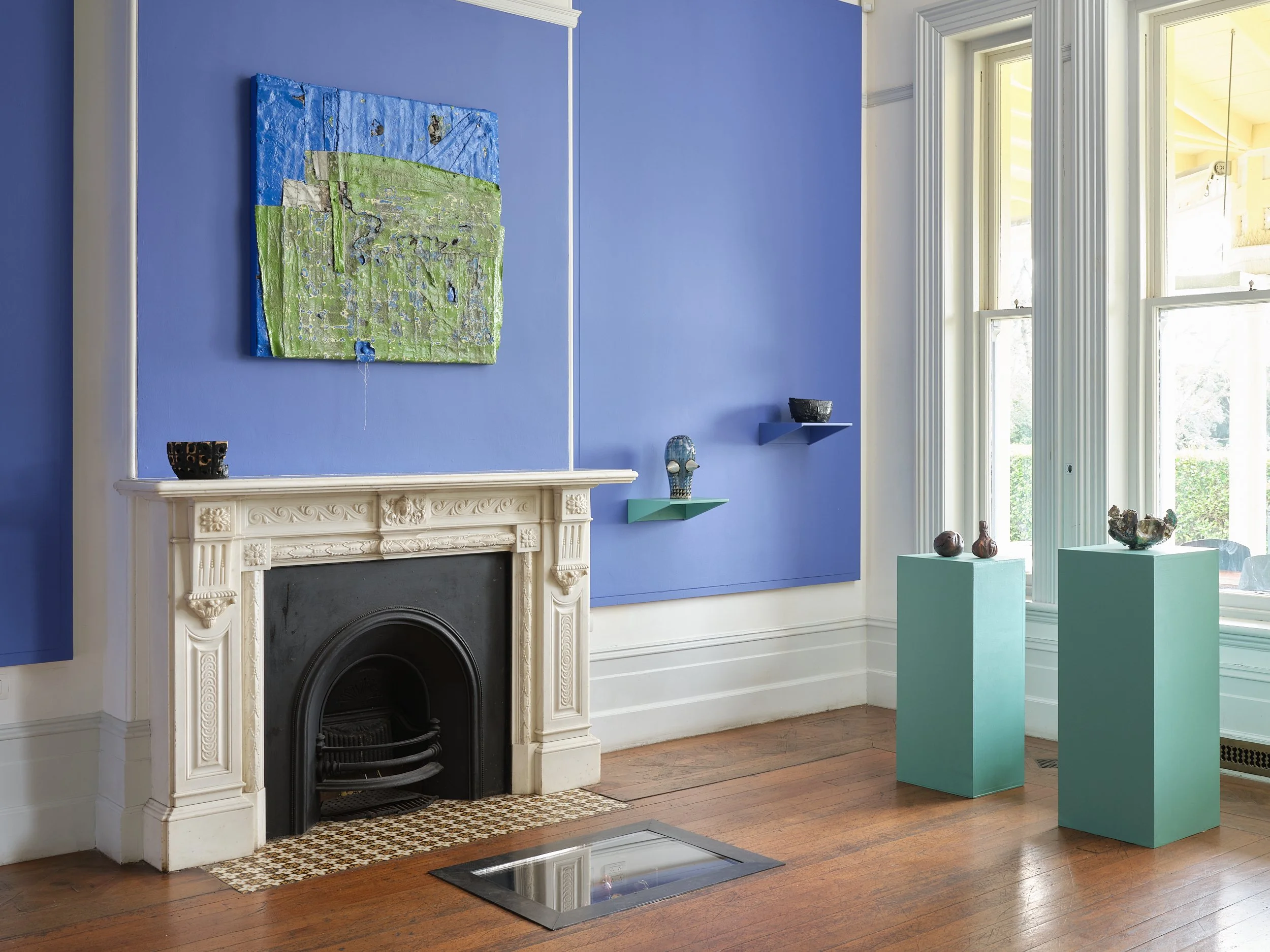
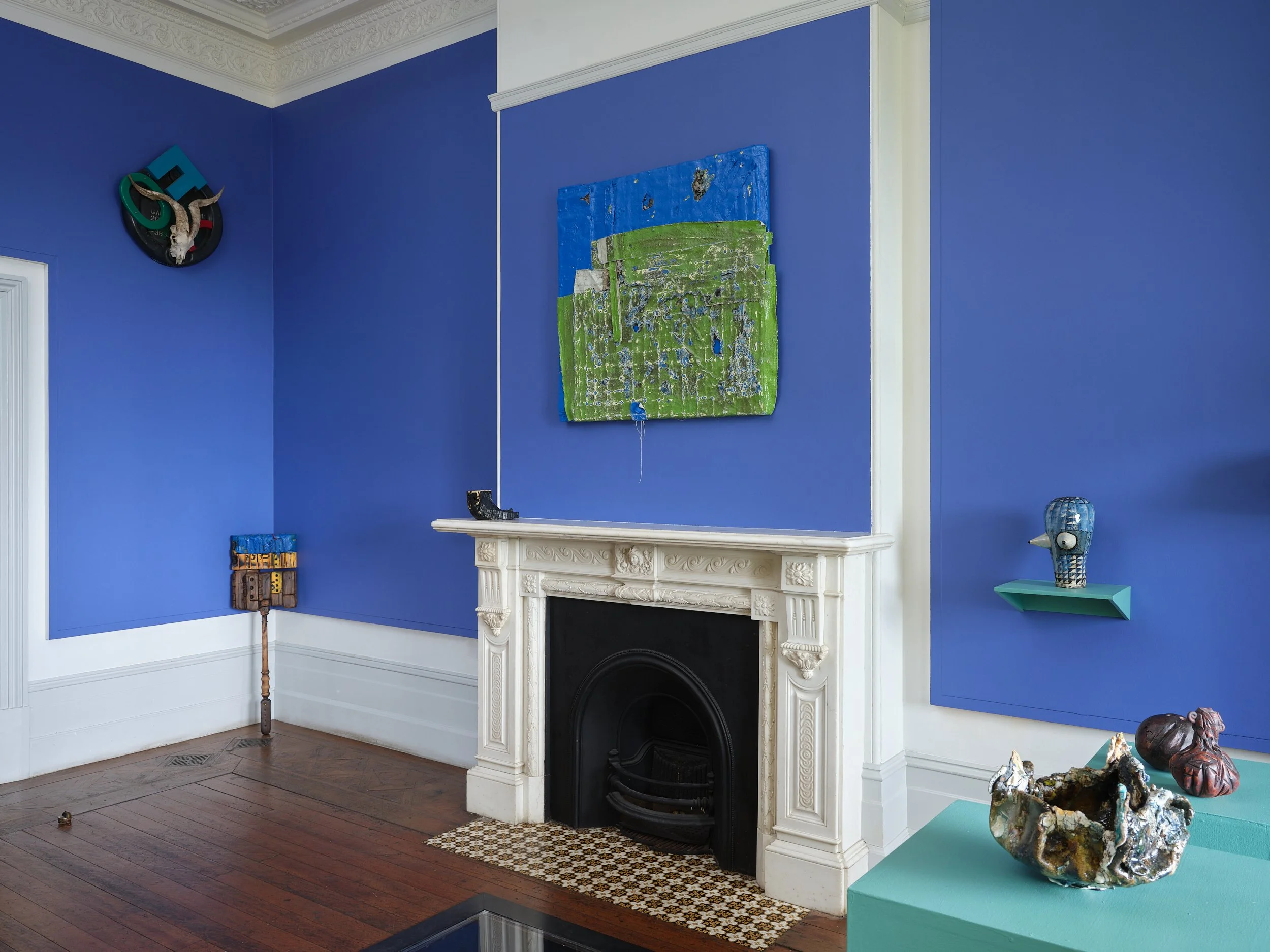
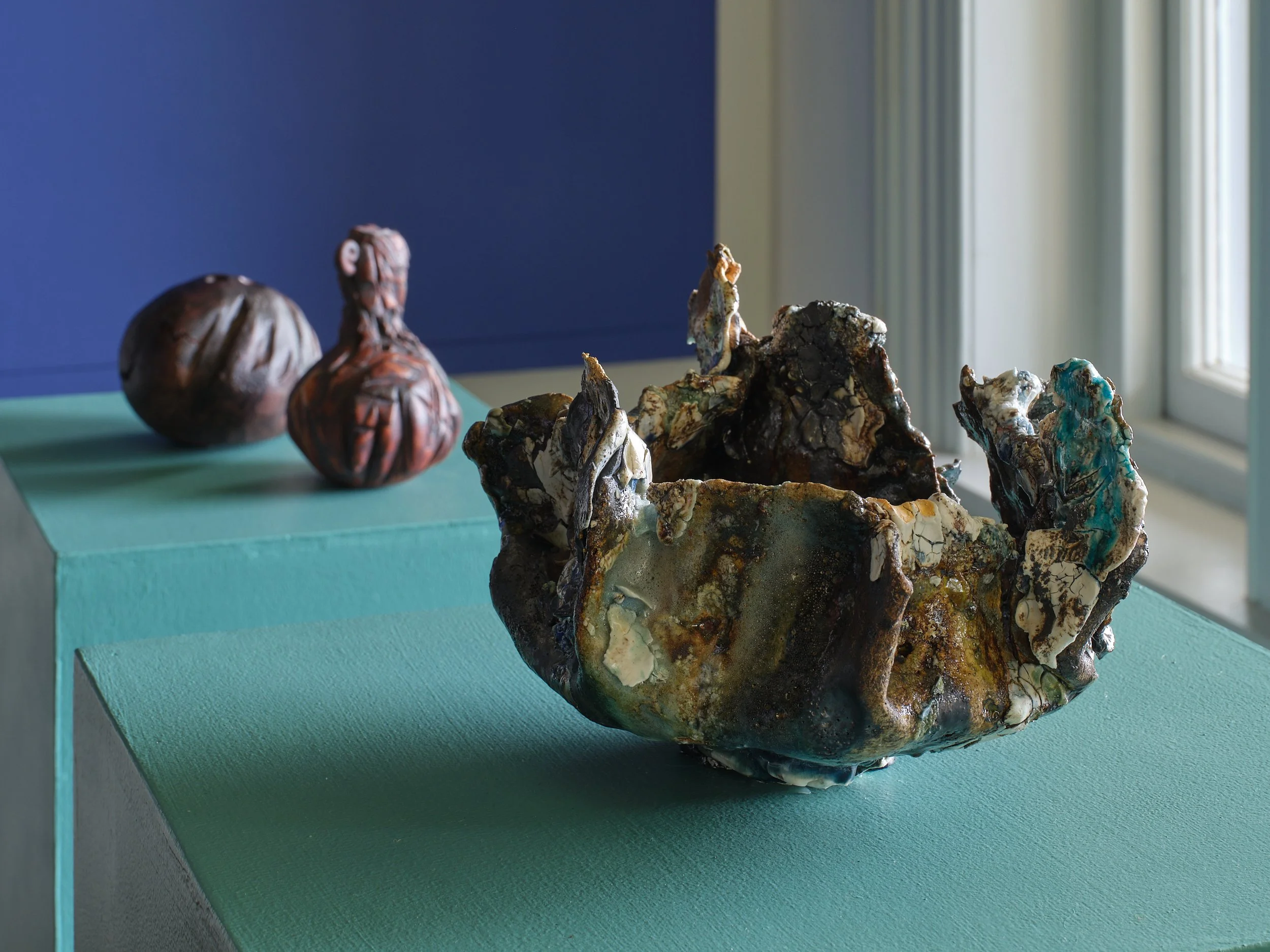
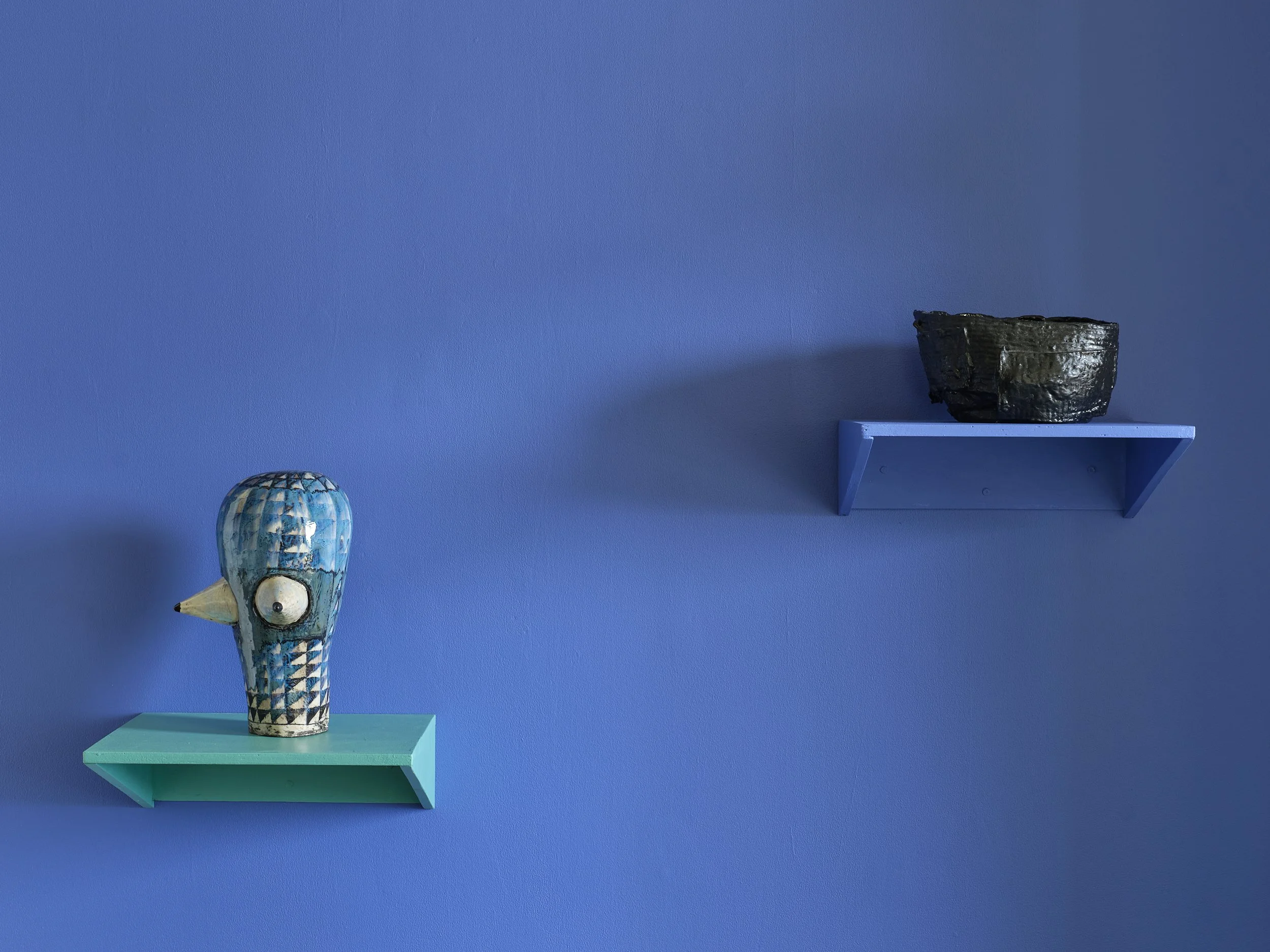
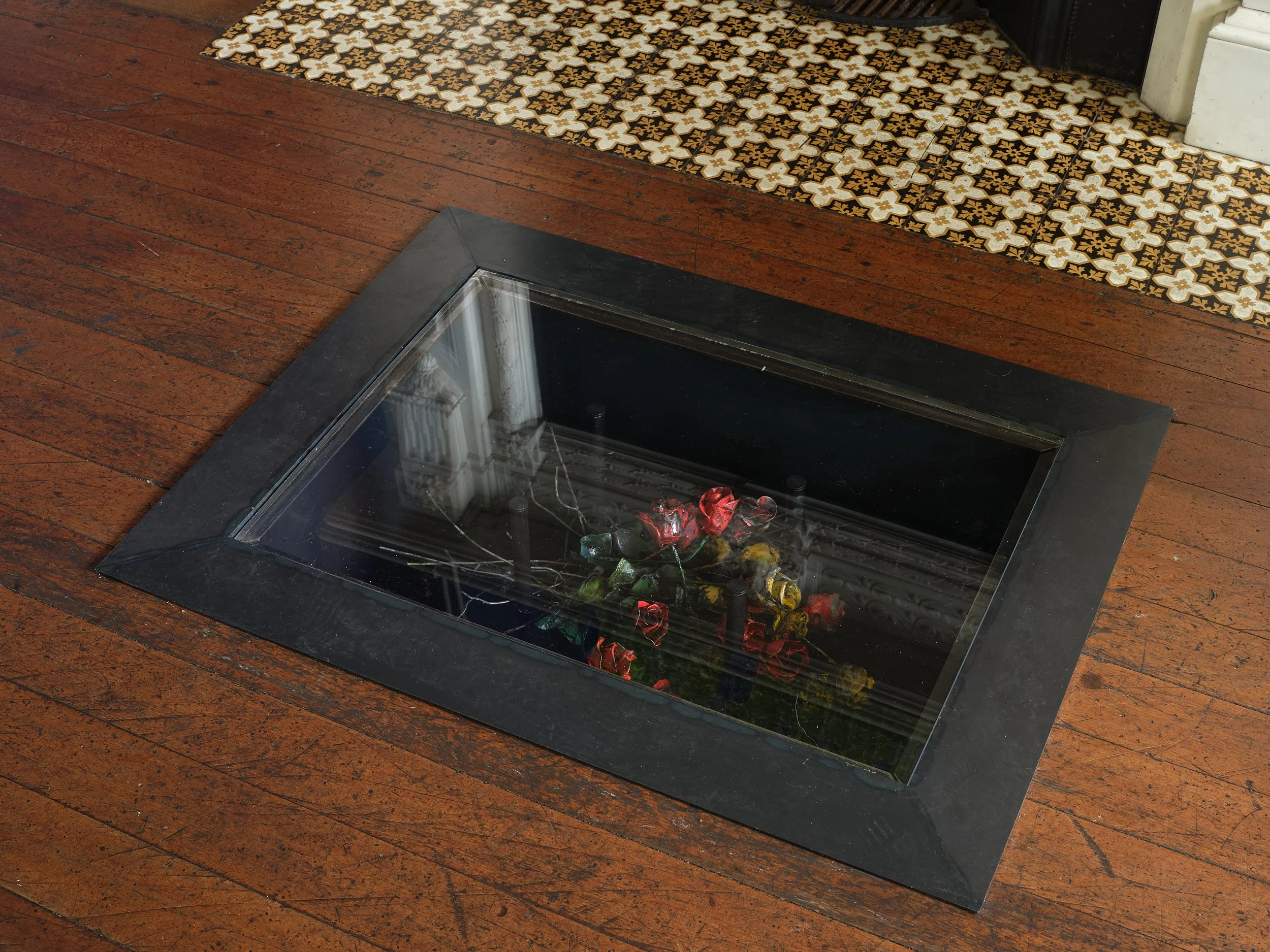
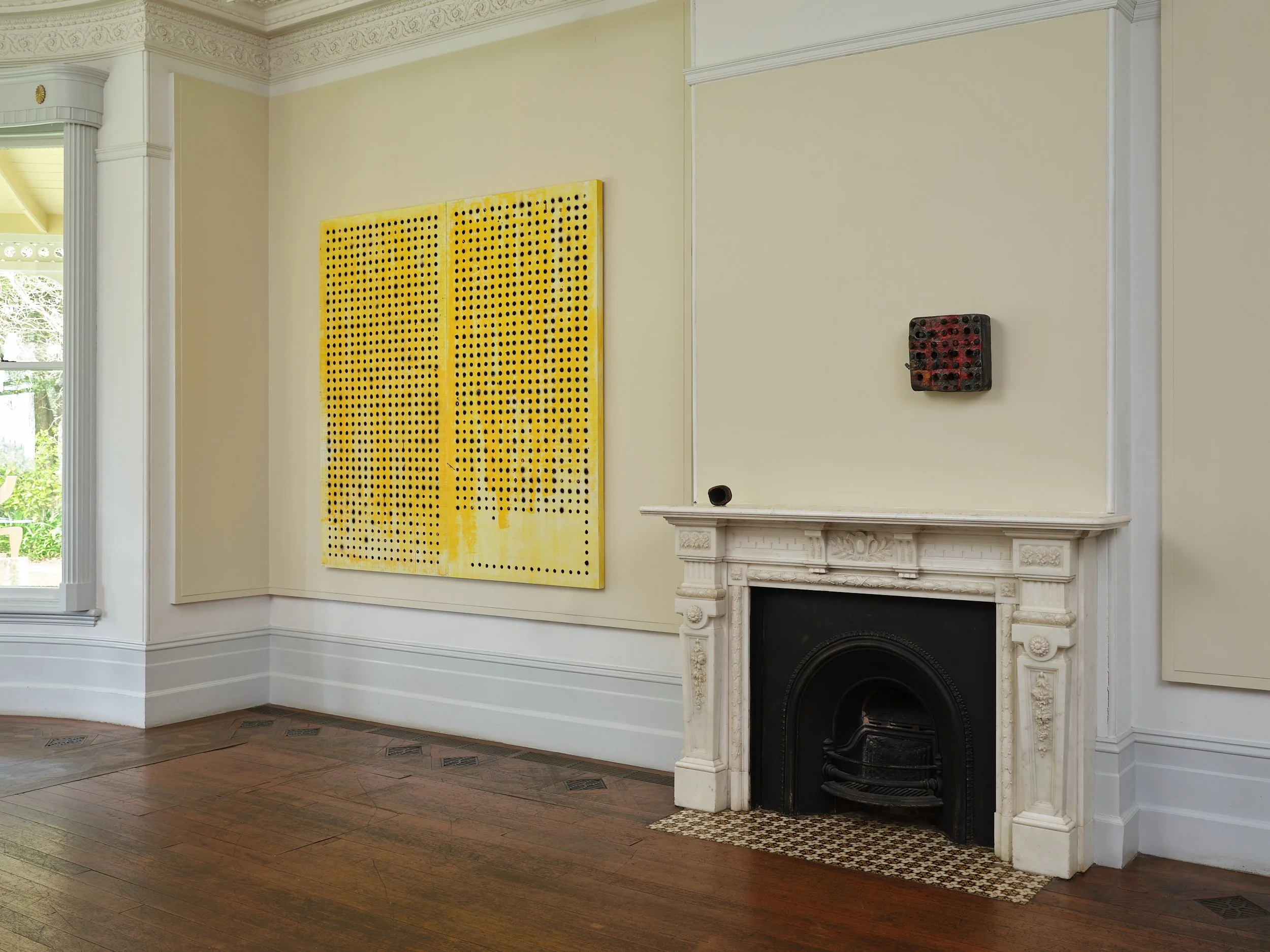
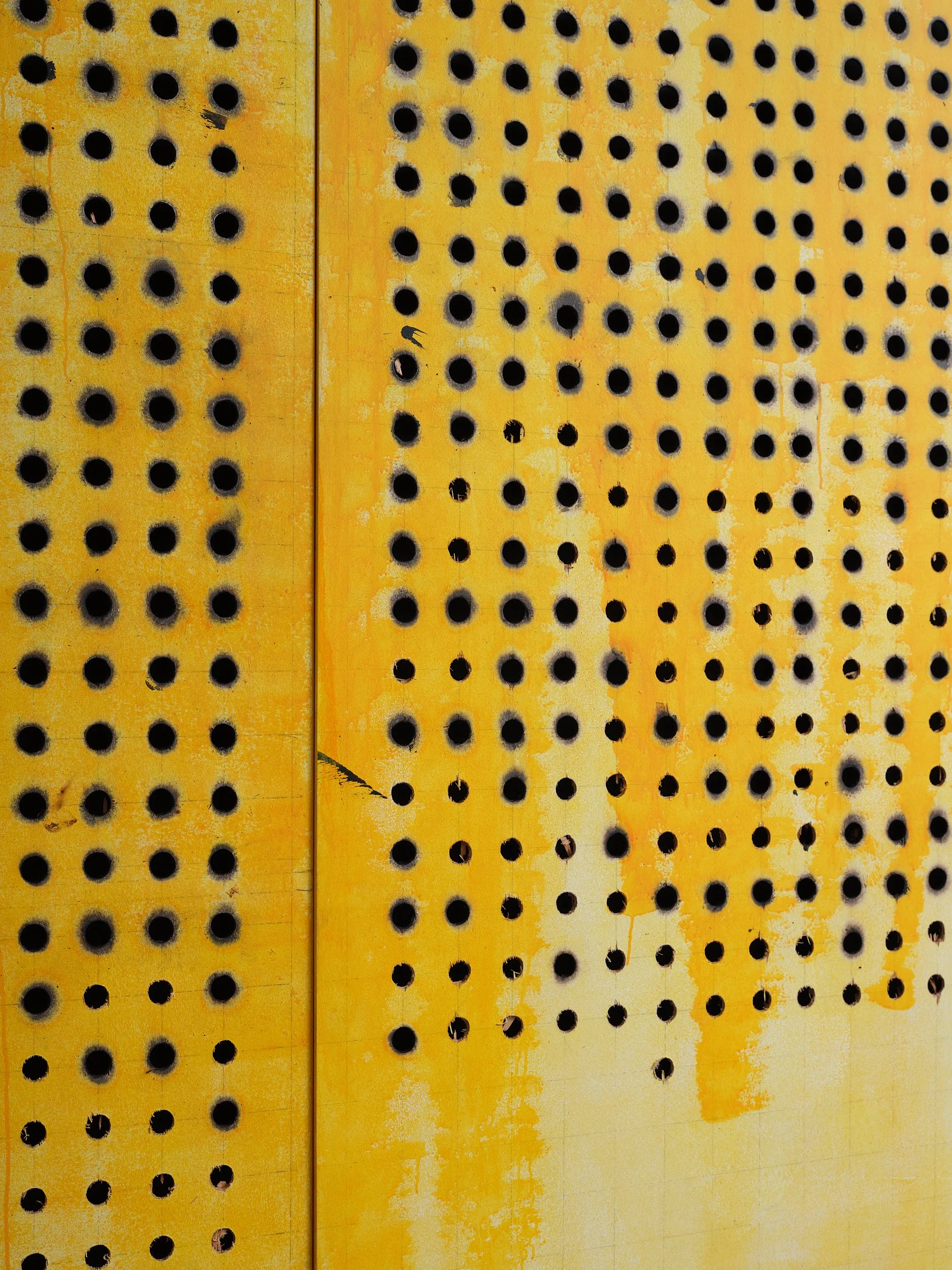
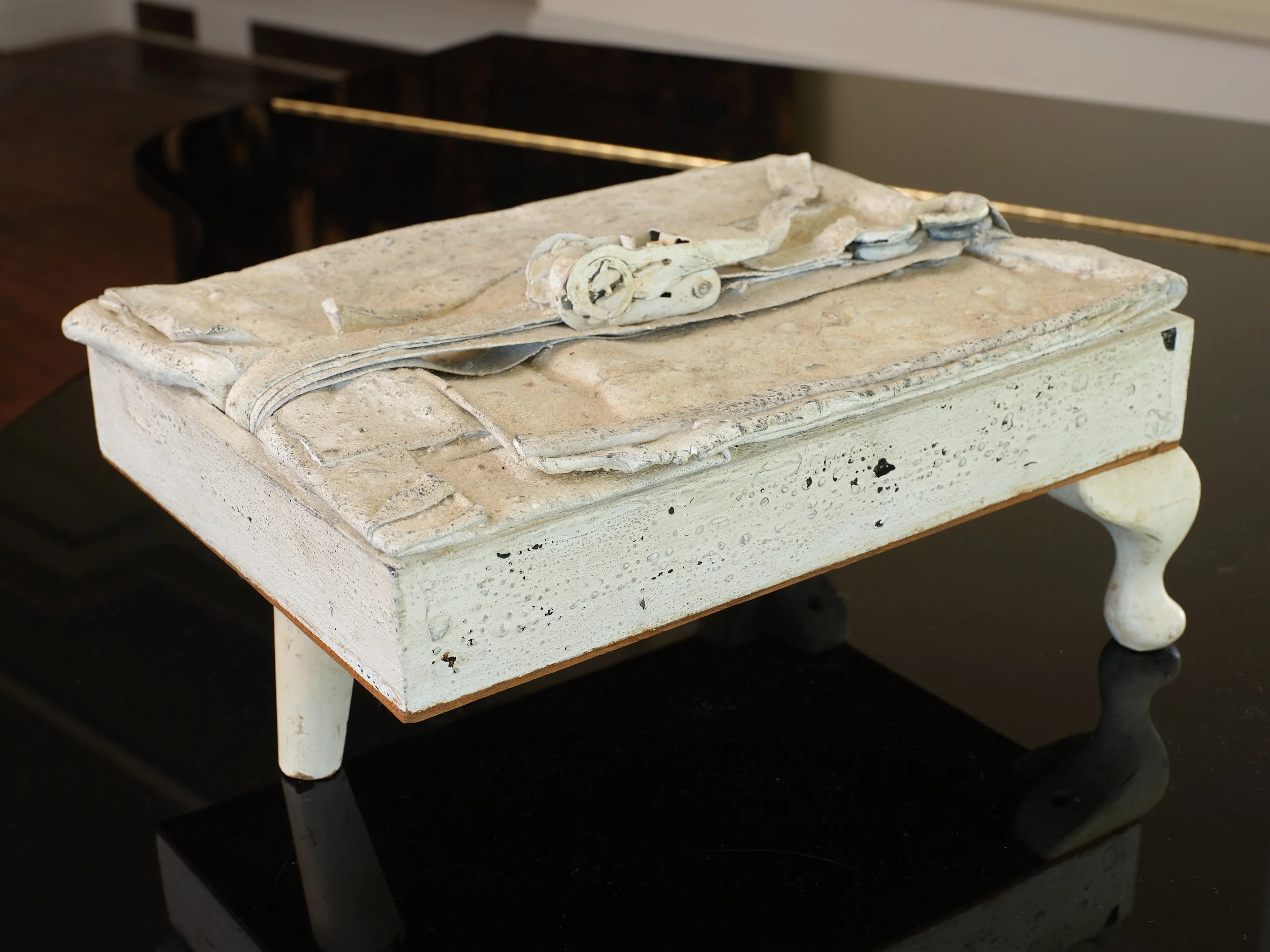
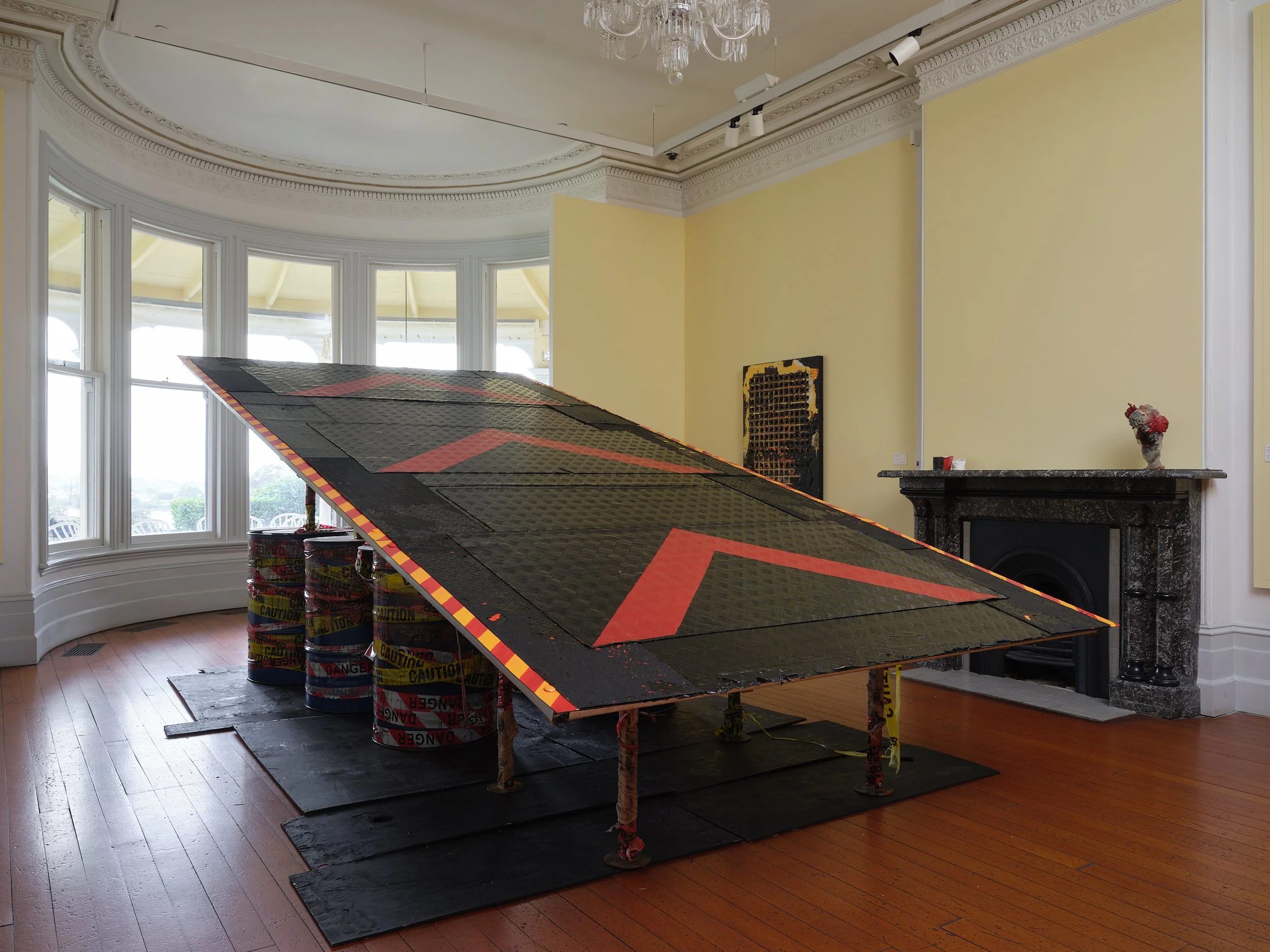
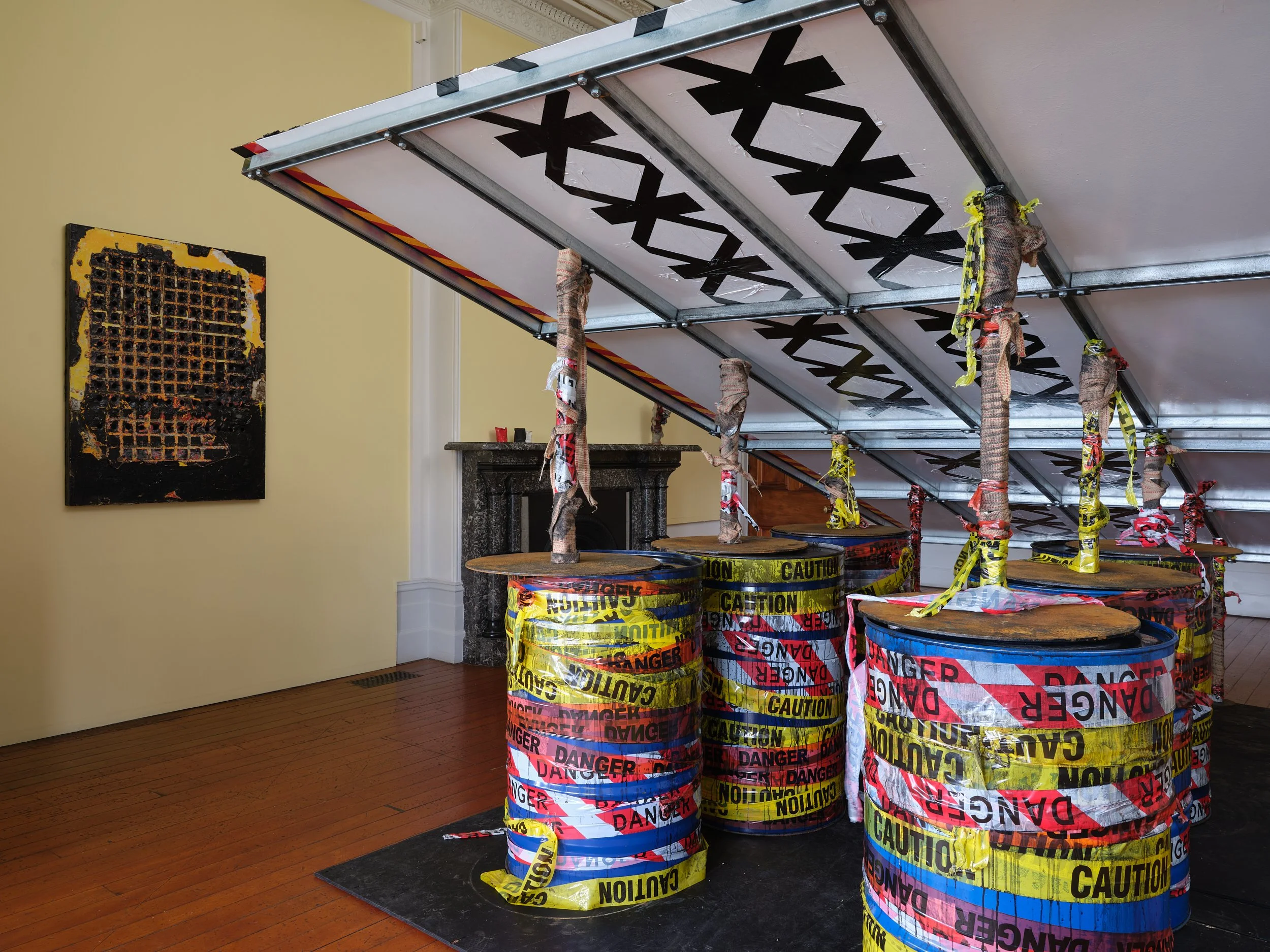
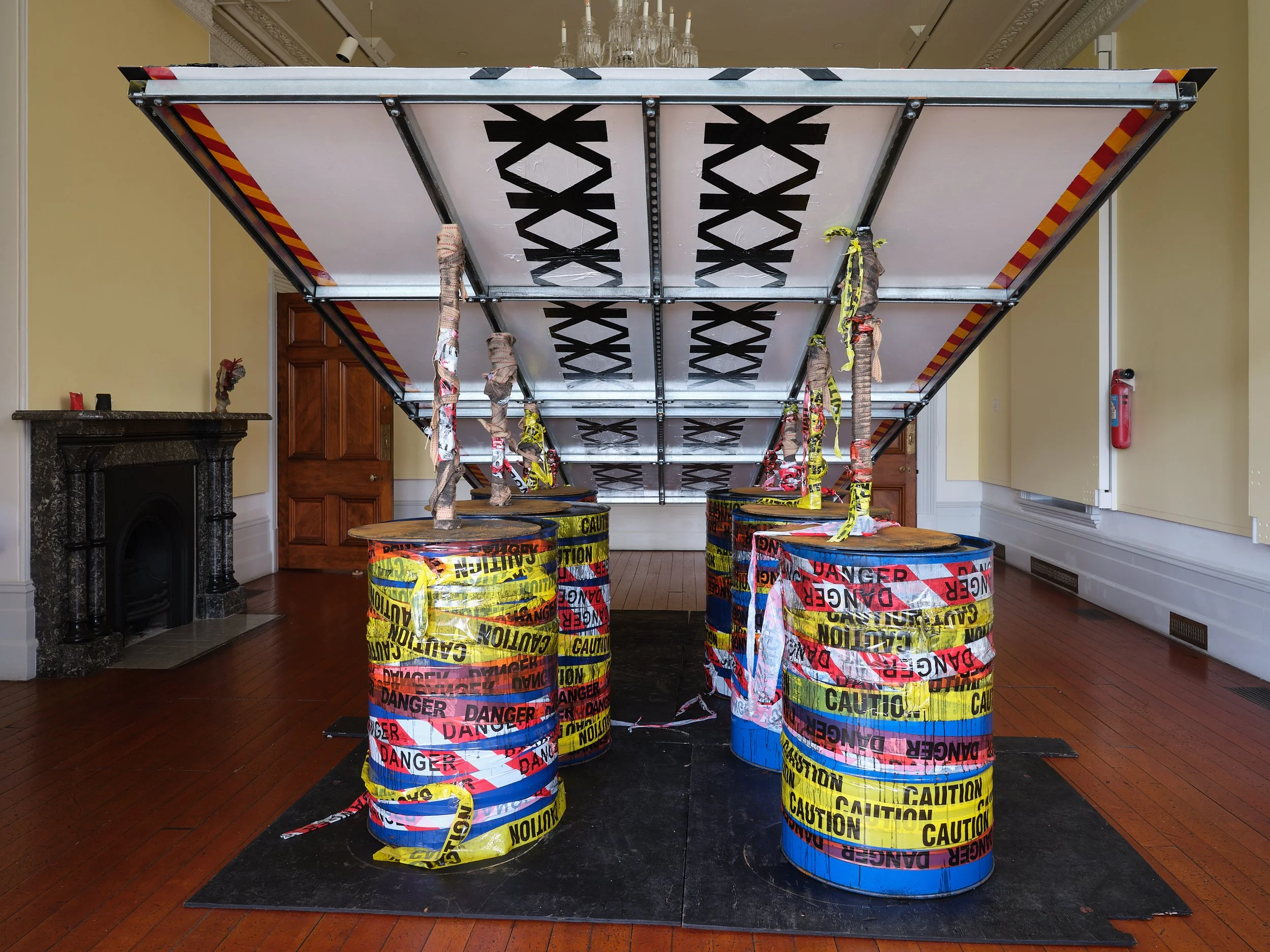
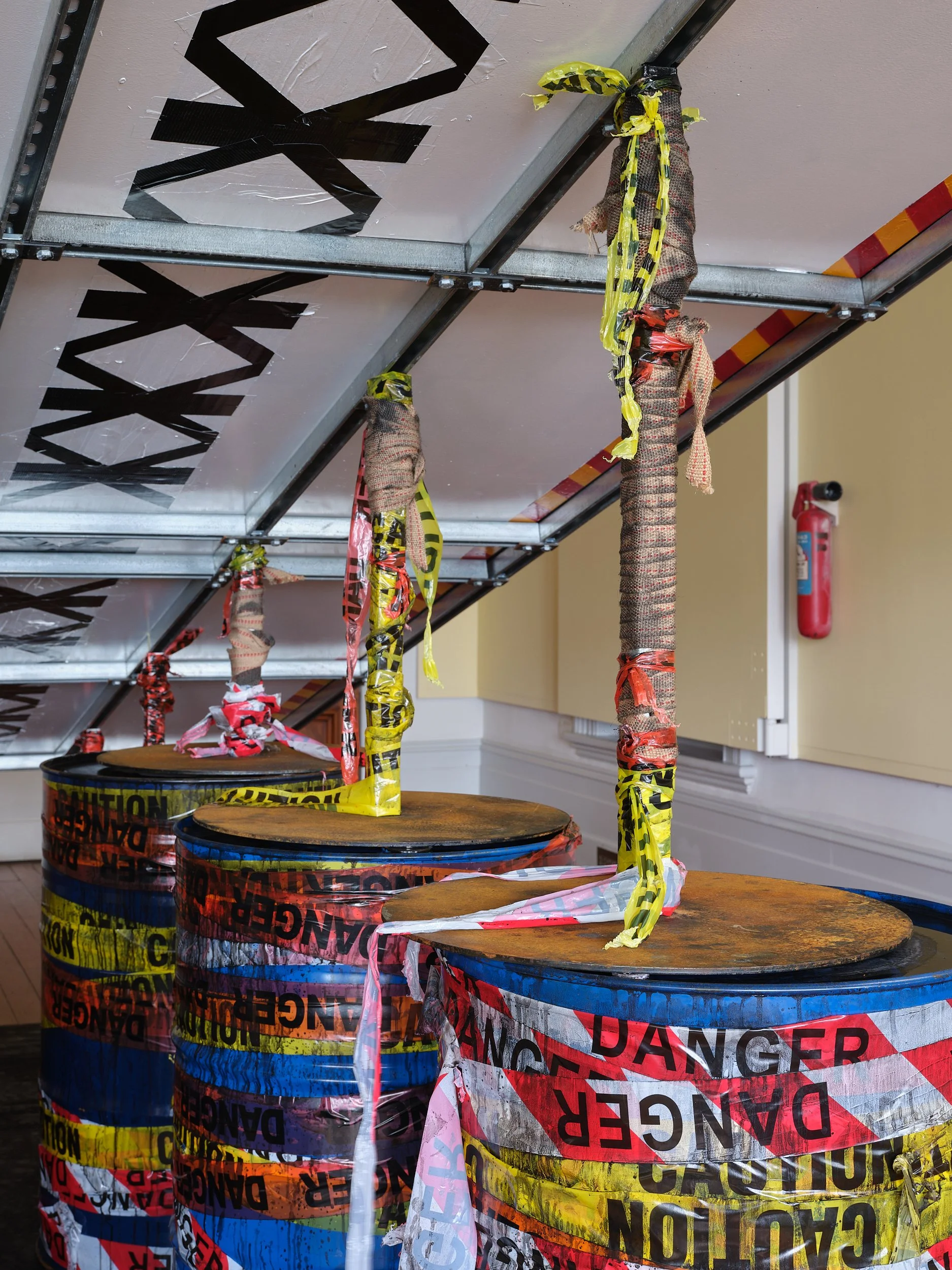
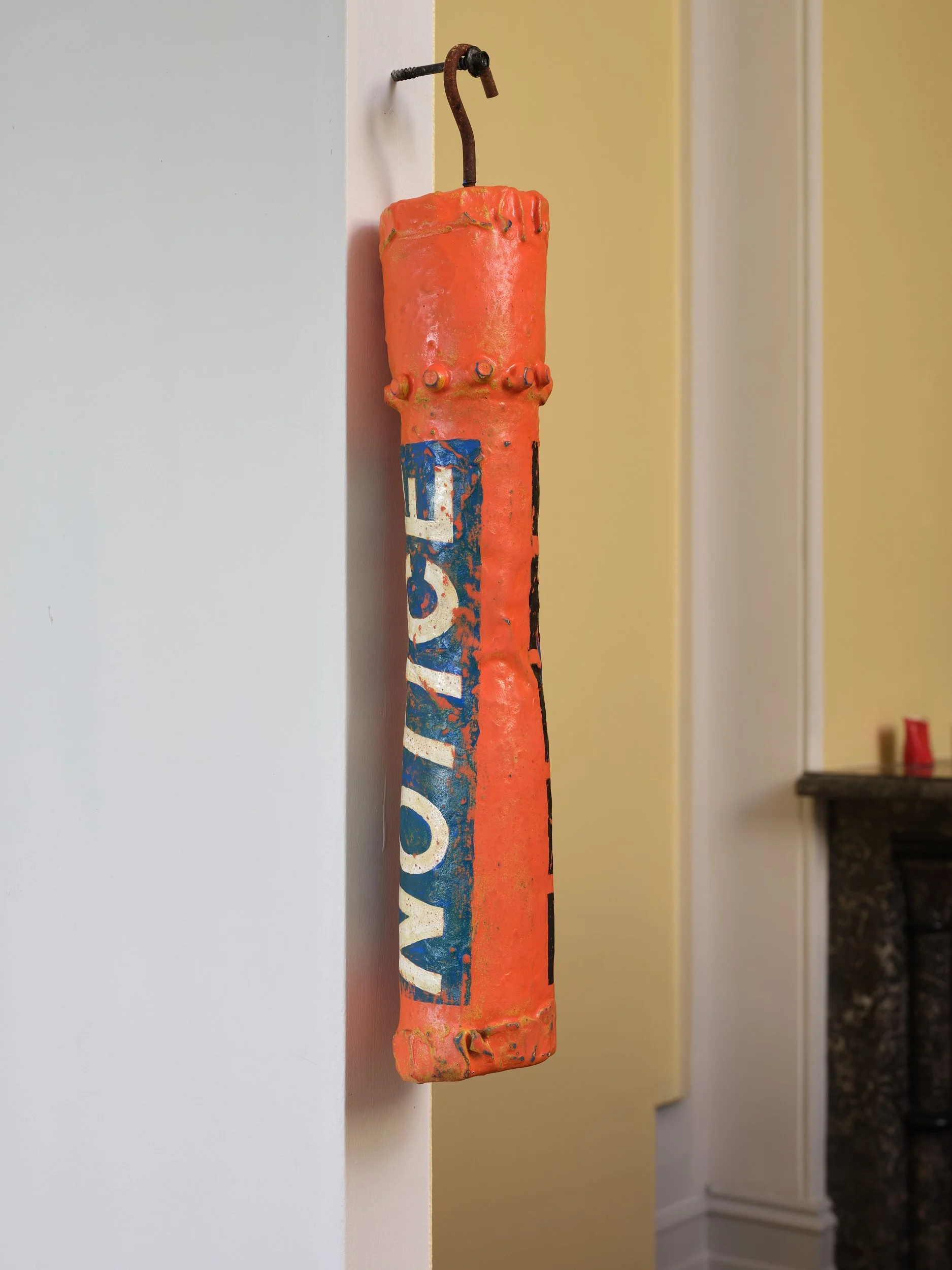
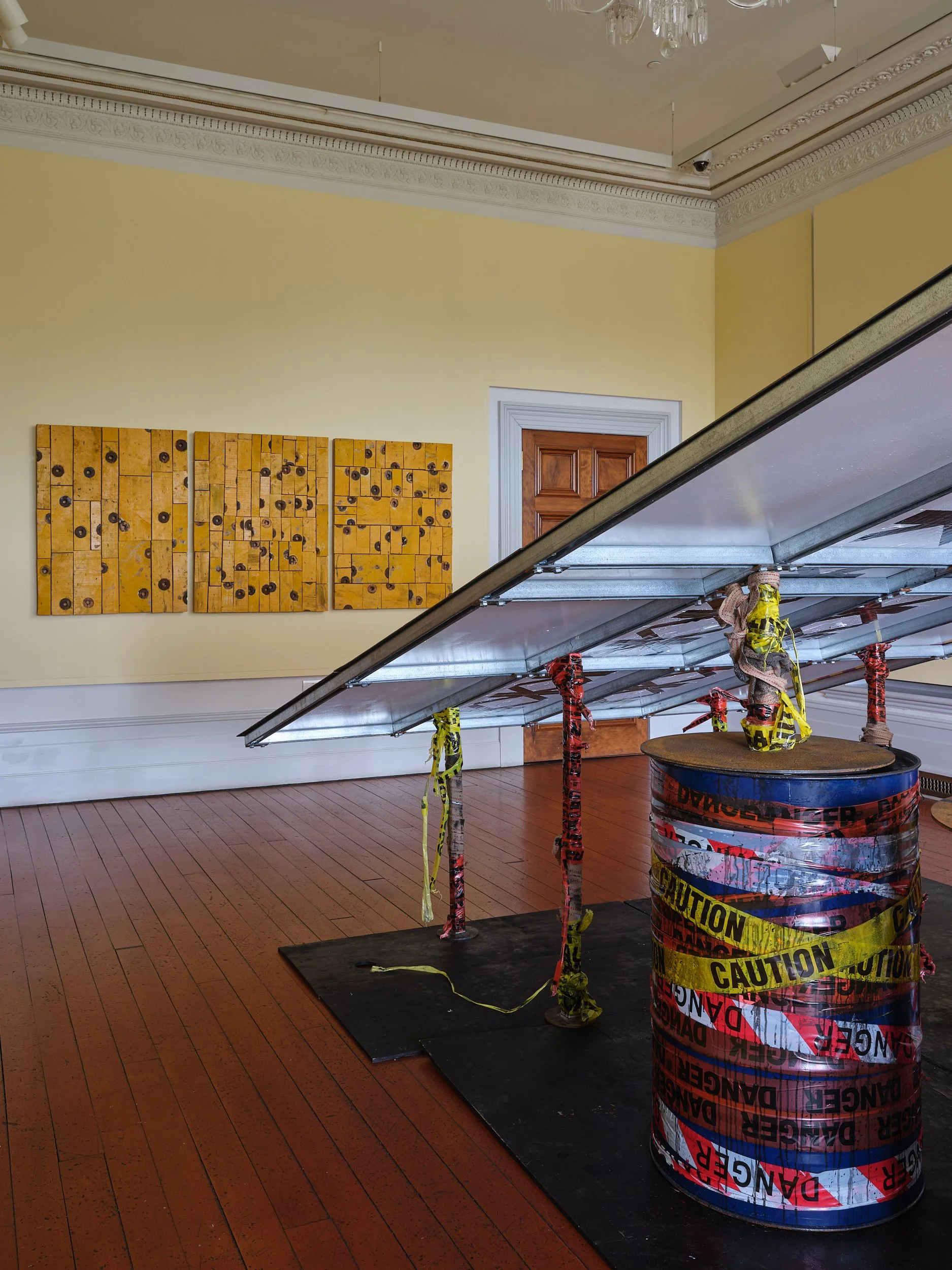
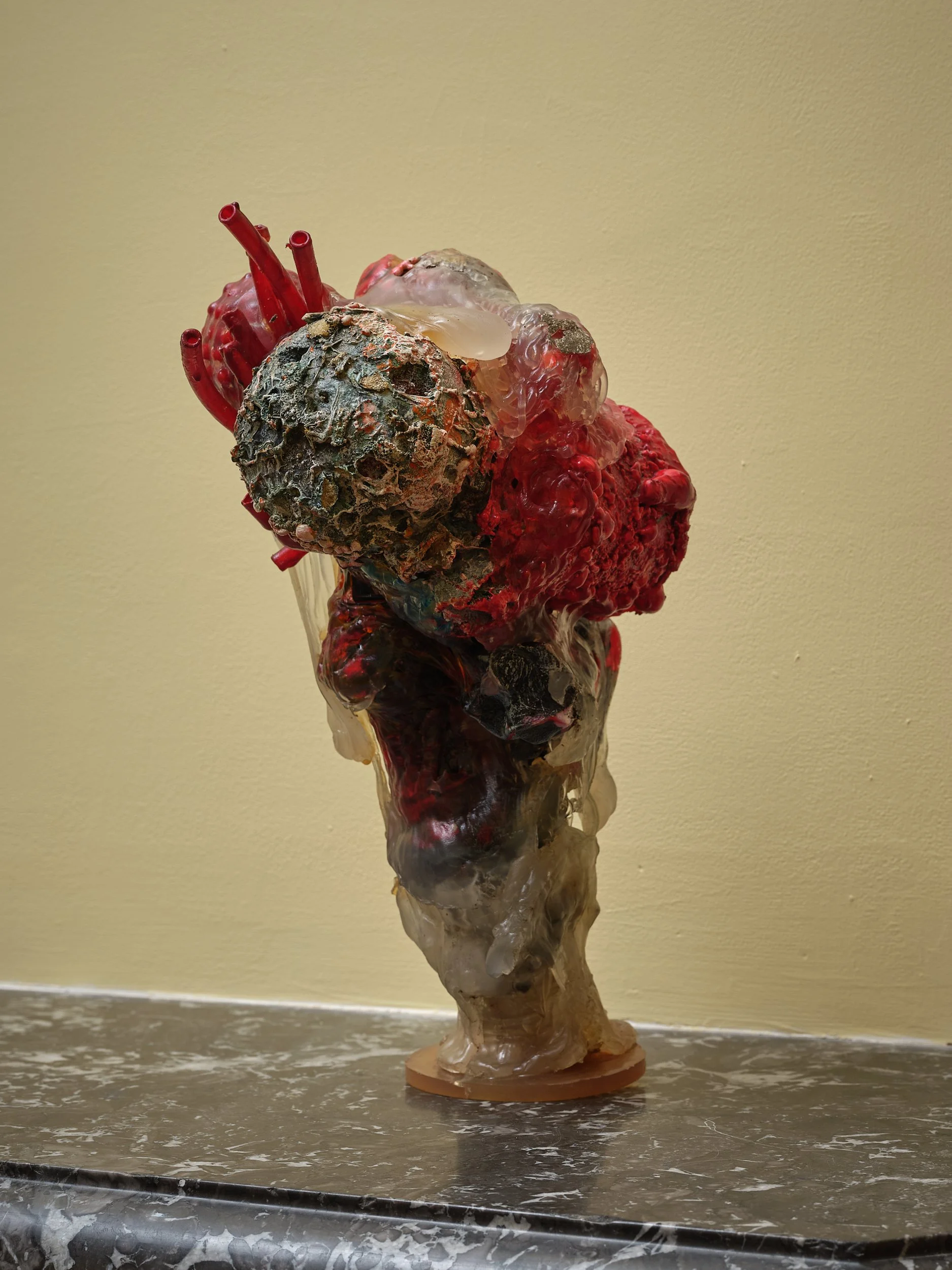
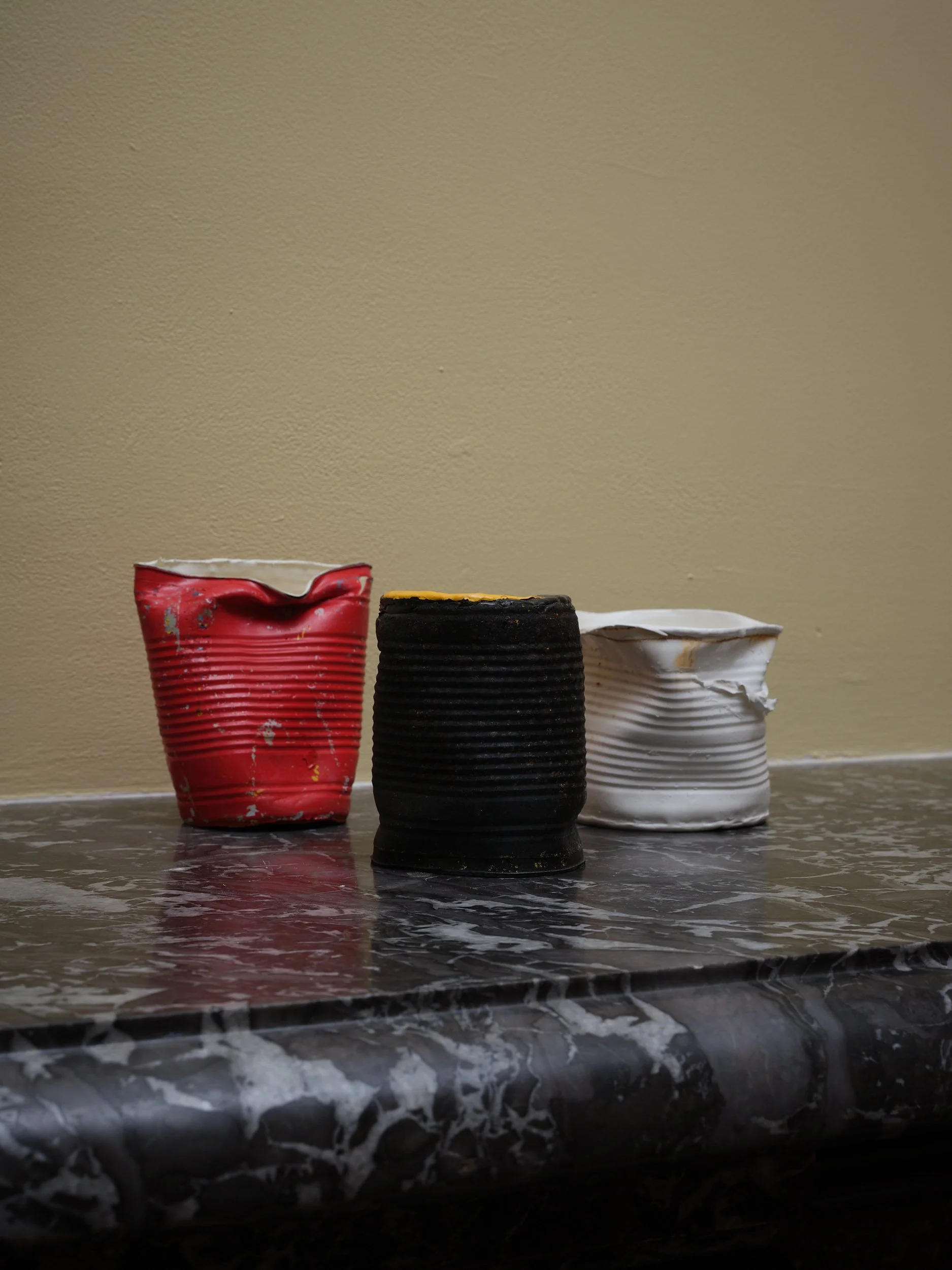
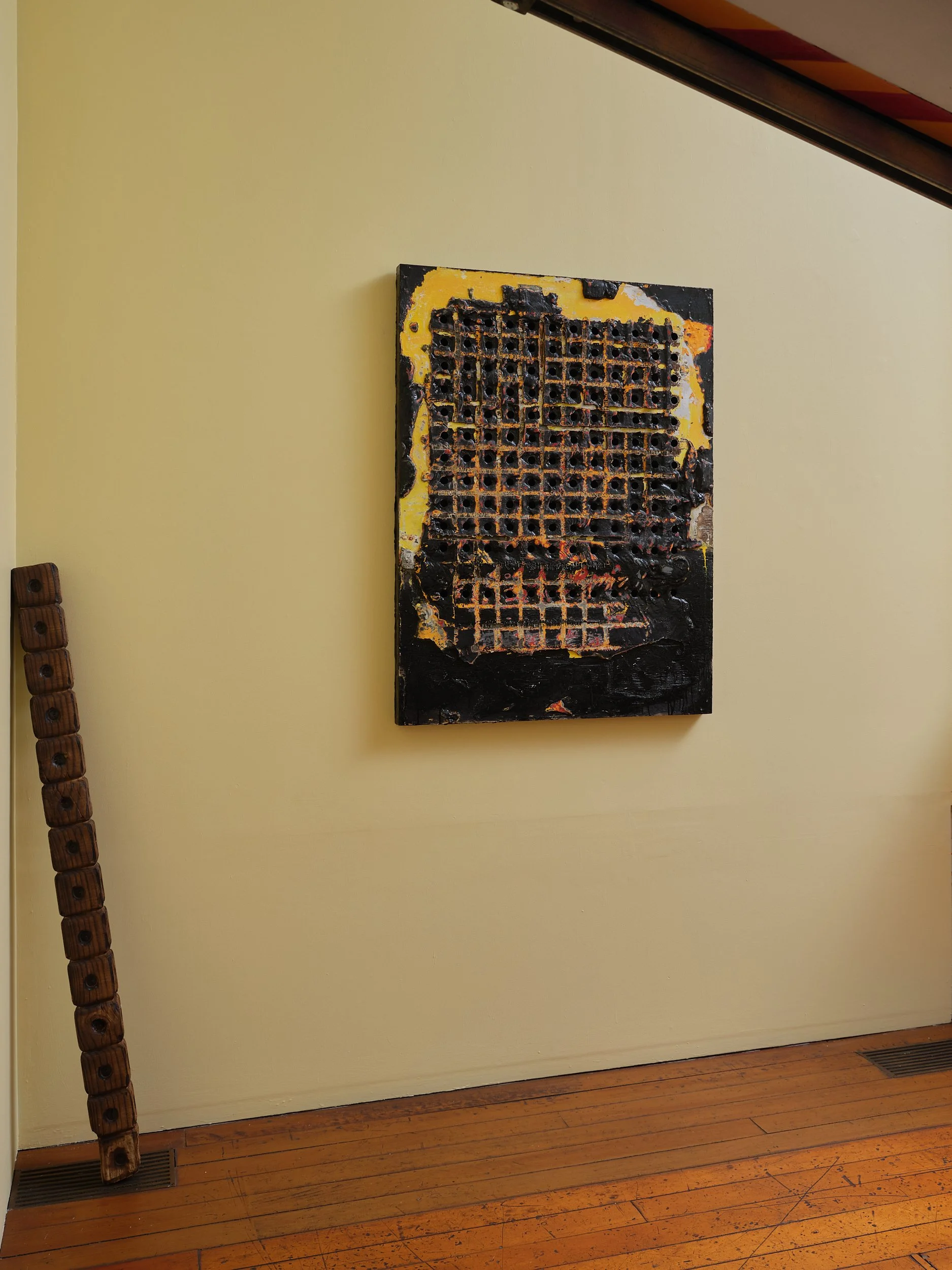
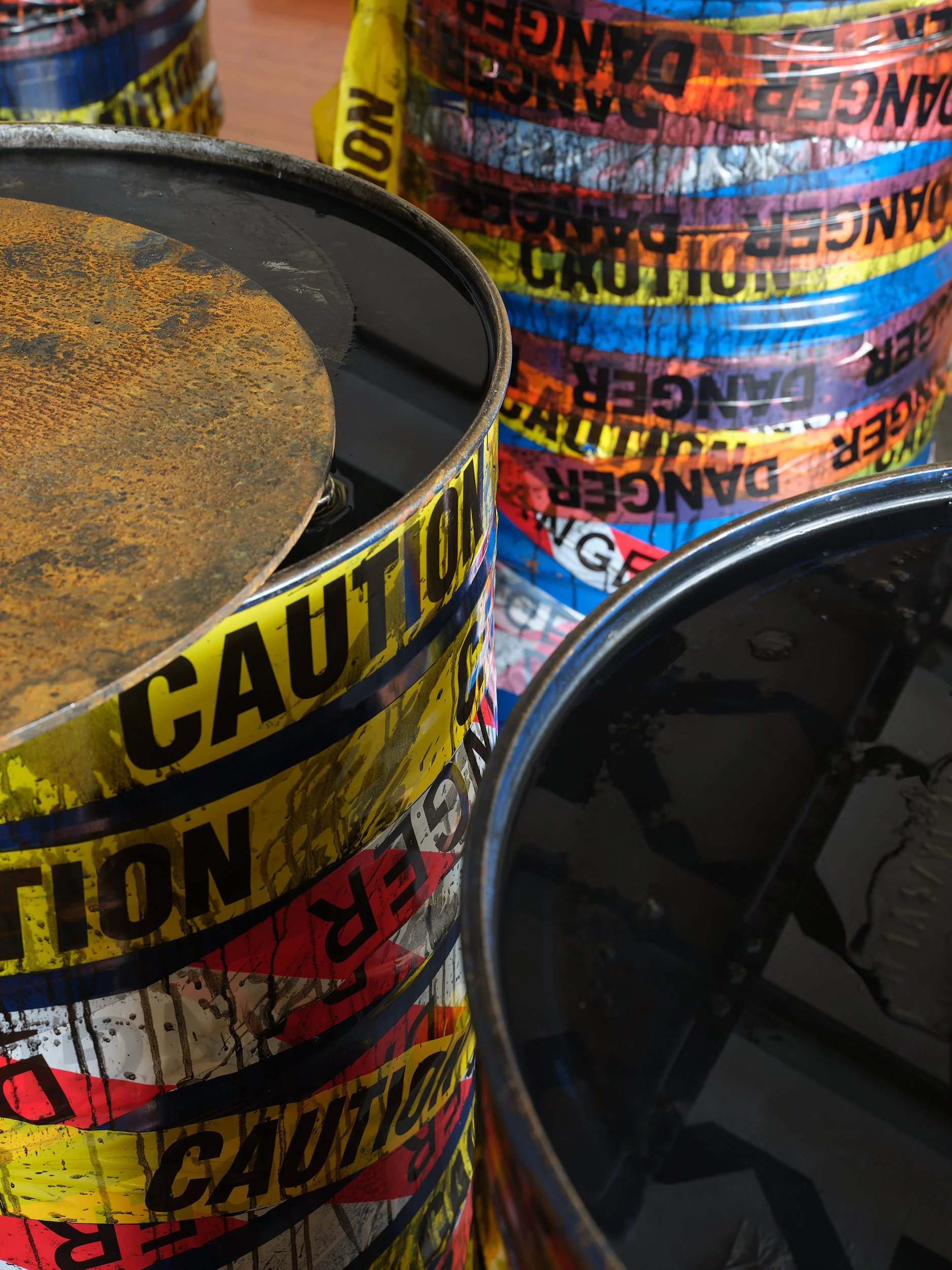
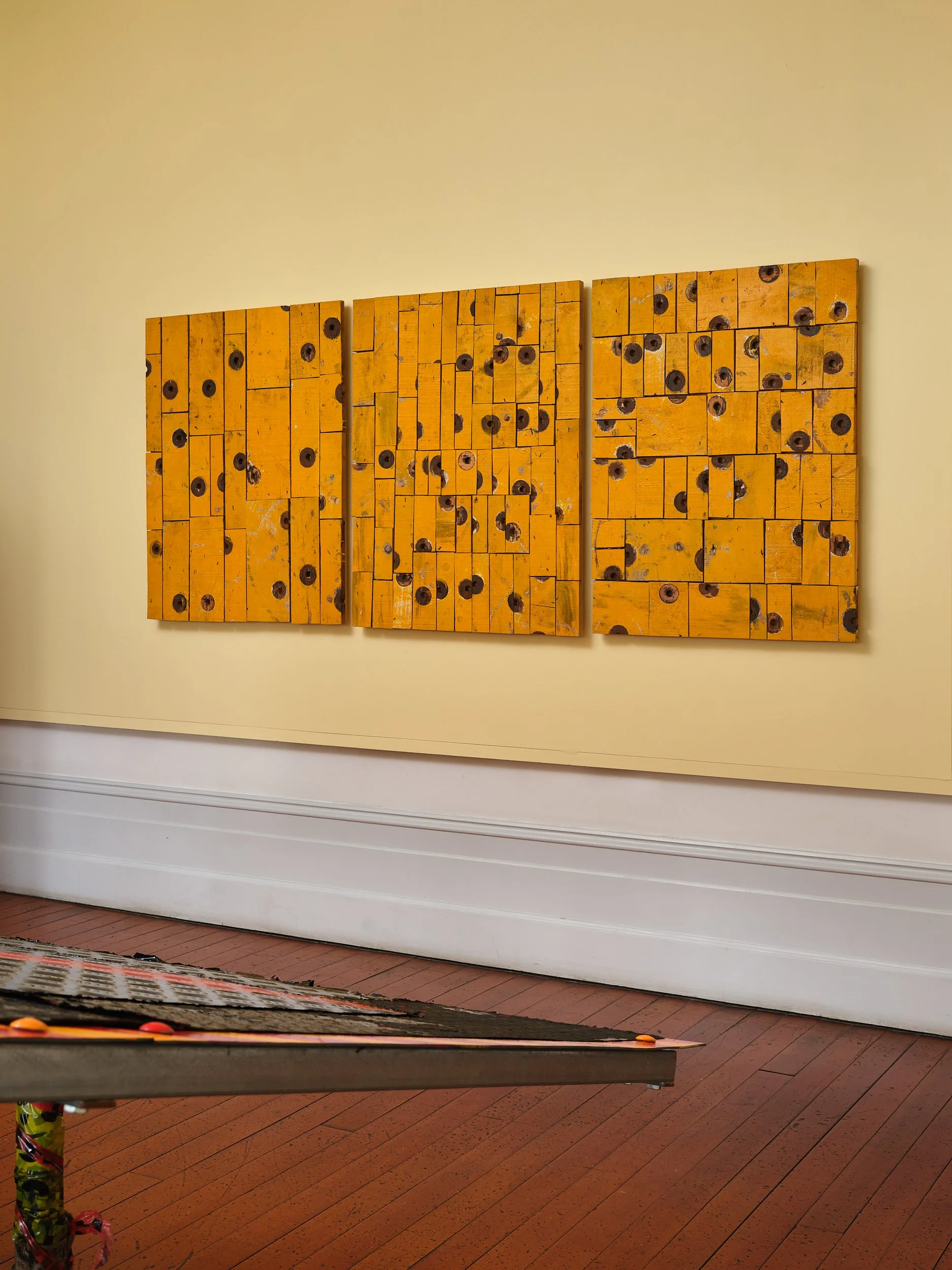
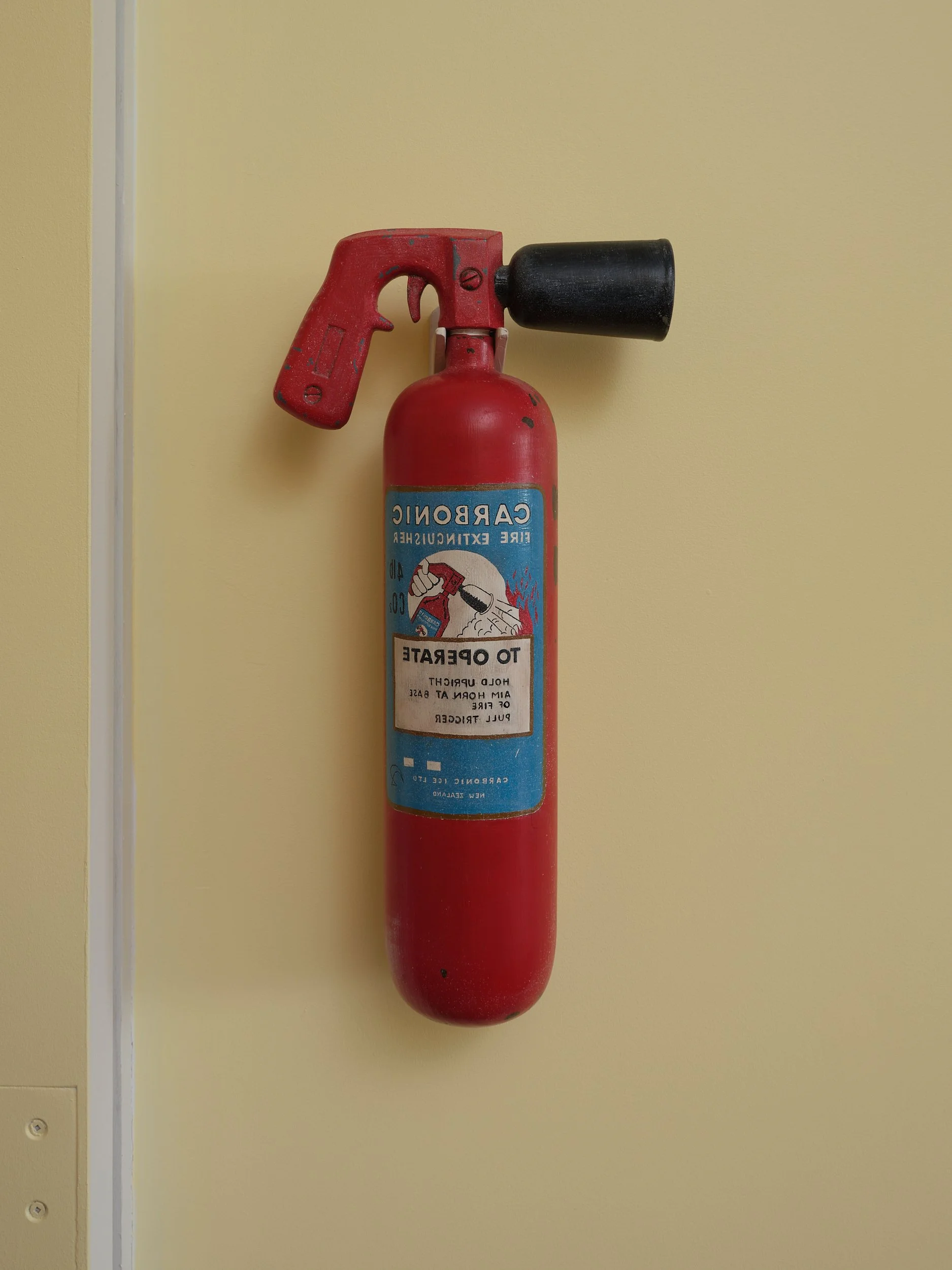
Sefton Rani, Clear My Throat, 2026 (installation view). Curated by Dina Jezdić. All photos by Sam Hartnett.
A Clear My Throat
Curatorial Essay by Dina Jezdić
We are living through an age of exceptional abundance. Knowledge has never travelled faster. We are more connected, have more access to information and are more reachable than any generation before us. The technologies that promise connection also fracture attention. The tools that expand possibility seem to dissolve our capacity for discernment. Increasingly, the question is no longer what is true or false, good or bad, but whether we still trust ourselves enough to tell the difference.
The title, Clear My Throat, refers to a gentle cough that gathers attention before public speaking— a gesture of calling in the ancestors and summoning the wisdom and guidance of those who came before us. The invocation acts as a metaphorical threshold of this exhibition, while marking a significant evolution in Sefton Rani’s artistic practice. Moving beyond the expressive possibilities of paint and surface, into sculptural and spatial territory, vessels emerge as forms that gather and carry, sustaining relationships across time. They recall the shared bowl, the waka and the body itself. Within, reside traces of memory as something carried forward, transformed and continually reimagined.
Throughout Pah Homestead, the colonial domestic interior is reimagined as a living body—one that carries tension and accumulated histories. Through abstraction and material transformation, the familiar becomes porous, capable of holding multiple temporalities at once. Rani describes his visual language as "industrial tapa”. Traditional tapa records genealogy and cultural memory. These contemporary surfaces do so through scorched timber, layered paint, found industrial materials and textiles that are burnt, stripped and rebuilt until experience itself appears embedded within them. They are representations of accumulated events and recent histories of diasporic labour and factory work.
Entirely self-taught, Sefton Rani’s practice has emerged through discipline rather than inherited convention. Materials are subjected to process until they reveal their resistance and capacity for transformation. Fire destroys, but damage simultaneously reveals ways in which the appearance of fragility becomes the elemental core of endurance. The experience of surviving Cyclone Gabrielle, which destroyed his Piha home and studio, inevitably deepened his understanding of memory and material. Recent advances in epigenetics suggest that trauma leaves traces beyond memory. Severe experiences can alter the molecular markers that regulate how our genes respond to stress and influence inheritance, while embedding survival within the body itself. These changes are increasingly understood not as permanent verdicts, but as dynamic inscriptions—capable of responding to environment and healing. The works gathered here extend that proposition into material form. Burnt timber, layered pigment and scarred surfaces become records not of irreversible damage, but of transformation itself, carrying history forward until it exceeds narrative and enters the realm of the sublime.
Throughout the exhibition, selected works from the Arts House Trust Collection enter into dialogue with Rani’s practice through shared affinities of material and process. Rather than tracing a direct lineage, these encounters reveal unexpected kinship between artists who have approached making through unconventional techniques, found materials and a willingness to work beyond established boundaries. Rani’s sculptural forms are placed alongside works by Tony Fomison and Reuben Paterson, where volcanic landscapes, deep time and creation narratives become entangled. Accompanied by the newly commissioned immersive soundscape H-75-HE-25—a title referencing hydrogen and helium, the elemental composition of the universe following the Big Bang—the space collapses geological, cosmological and human histories into a shared sensory encounter. Fomison’s lifelong engagement with volcanic landscapes, Māori archaeology and the stories embedded within geological formations finds a material dialogue with Paterson’s shimmering evocations of the Piha landscape, where volcanic sand and light become originators and influence. Across the exhibition, these works dissolve chronology in favour of resonance, allowing artists separated by time and circumstance to meet through shared languages of matter.
Rani’s surfaces draw us nearer through extraordinary sensuality—the lustre of charred timber, the density of paint skins, the subtle shifts between absorption and reflection. Yet the closer we look, the less stable the image becomes. Dissolving into texture, the artist employs the gesture of disappearance beneath process, where exterior opens into depth. Rather than satisfying our desire for immediate interpretation, the exhibition lingers in ambiguity, reminding us that perception is never only visual. We understand first through the body—through atmosphere, rhythm, scale and sensation—long before language arrives to explain what we have felt.
The power of Sefton Rani’s work is that it offers neither escape from reality nor an amplification of its anxieties. It restores our ability to encounter the world in all its intricacy—to recognise that acceptance of imperfection is the condition of humanity.
About the artist: Sefton Rani
Awarded the McCahon House Parehuia artist residency in 2025, Sefton Rani is of Cook Island heritage through his father and his work is an ongoing exploration of his Pasifika identity in the context of working class and industrial Auckland.
Referring to his works as ‘industrial tapa’ Rani sees his work as sculpting in paint to create a contemporary Pacific art that reflects the, in large part, industrial working-class reality of Auckland’s Pasifika community, and eschewing the overtly ‘Pasifika’ motifs and imagery more commonly employed. While continuing to be informed by traditional tapa, carving, tattoo, weaving and tivaevae, his work fits within, or grows out of, the experience of the Pasifika diaspora, adapting to a new and very different urban context in New Zealand. It is an art that strikes a precarious balance between “where you are” and “where you’re from” and speaks across racial and geographical divisions.
About the curator: Dina Jezdić
Dina Jezdić is an art critic, curator, and tauiwi decolonial scholar based in Aotearoa New Zealand. She is a Postdoctoral Fellow at the University of Auckland, where her research explores contemporary art and its capacity to produce knowledge, challenge power, and connect to lived experience. An Obama Foundation Leader (Asia-Pacific) and former Tate Intensive Fellow, she writes widely on contemporary art, with publications across Aotearoa, Australia, and the United States.
Guest Curator Programme
The Arts House Trust offers an annual Guest Curator opportunity designed to support curatorial practice and encourage fresh perspectives within Aotearoa New Zealand’s contemporary arts sector. Initiated in 2025, the programme invites curators to develop an exhibition that brings works from The Arts House Trust Collection into conversation with contemporary artistic practice, fostering new dialogue and supporting the critical role curators play in shaping artistic discourse, interpretation, and audience engagement within the wider arts sector.
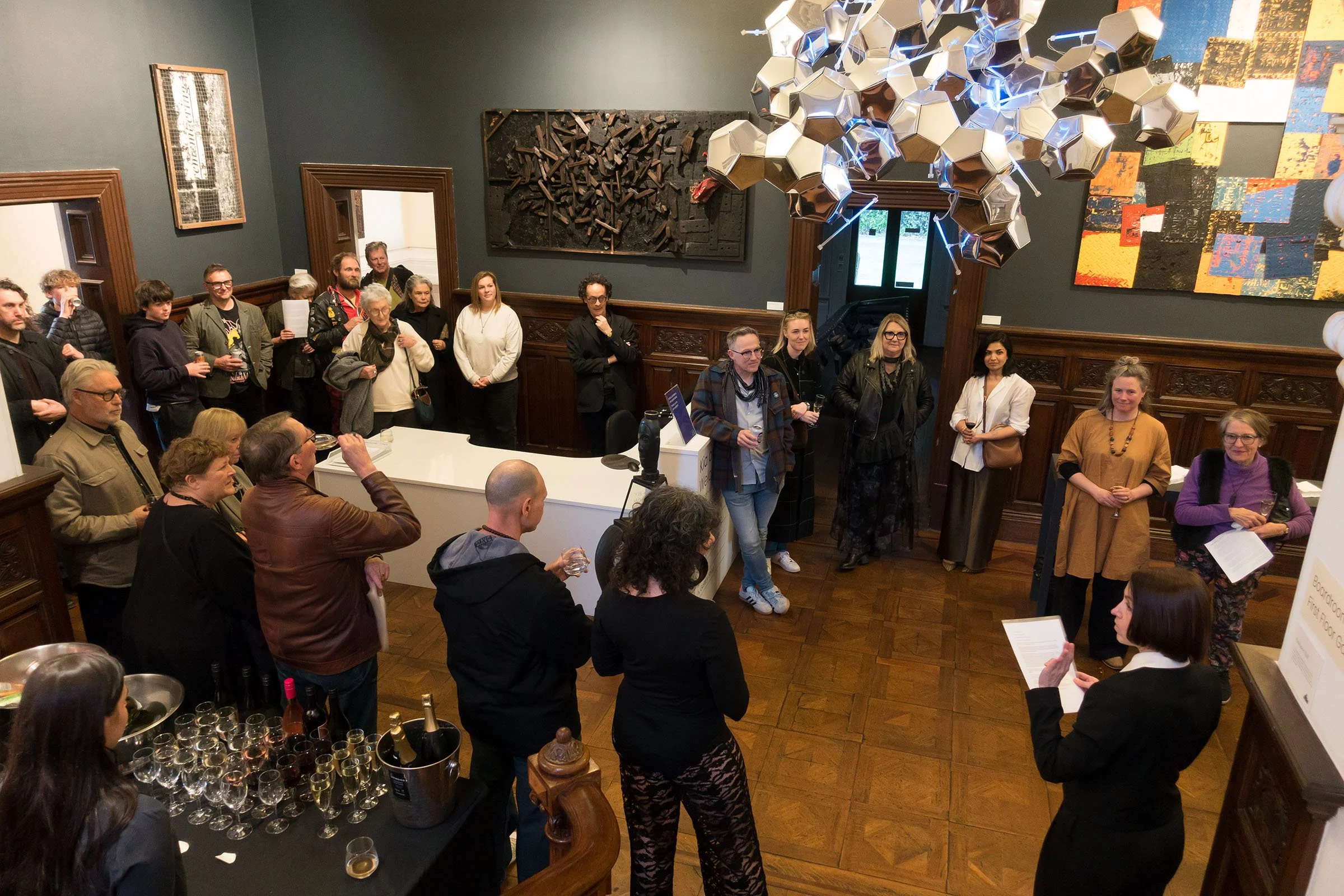
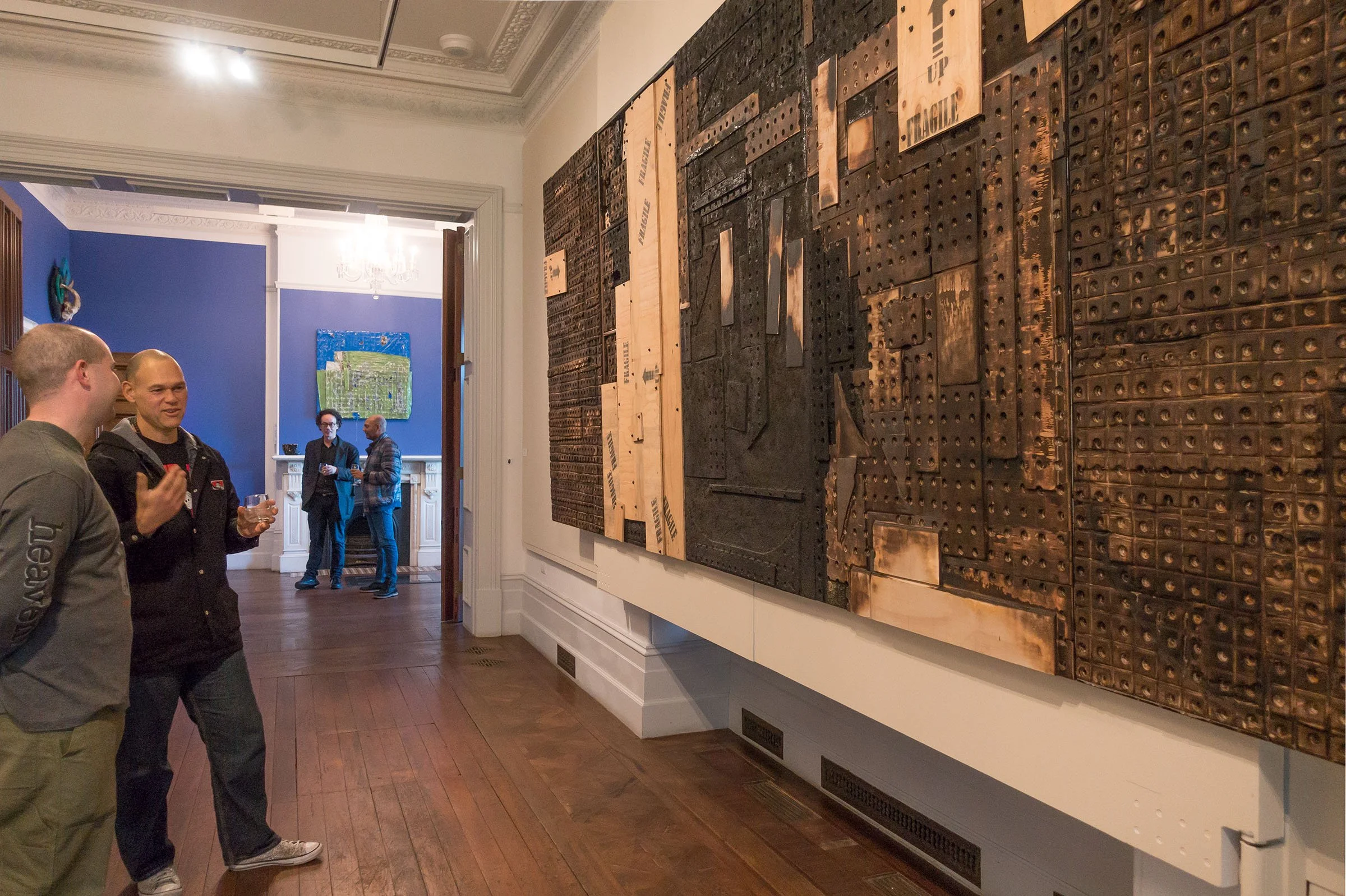
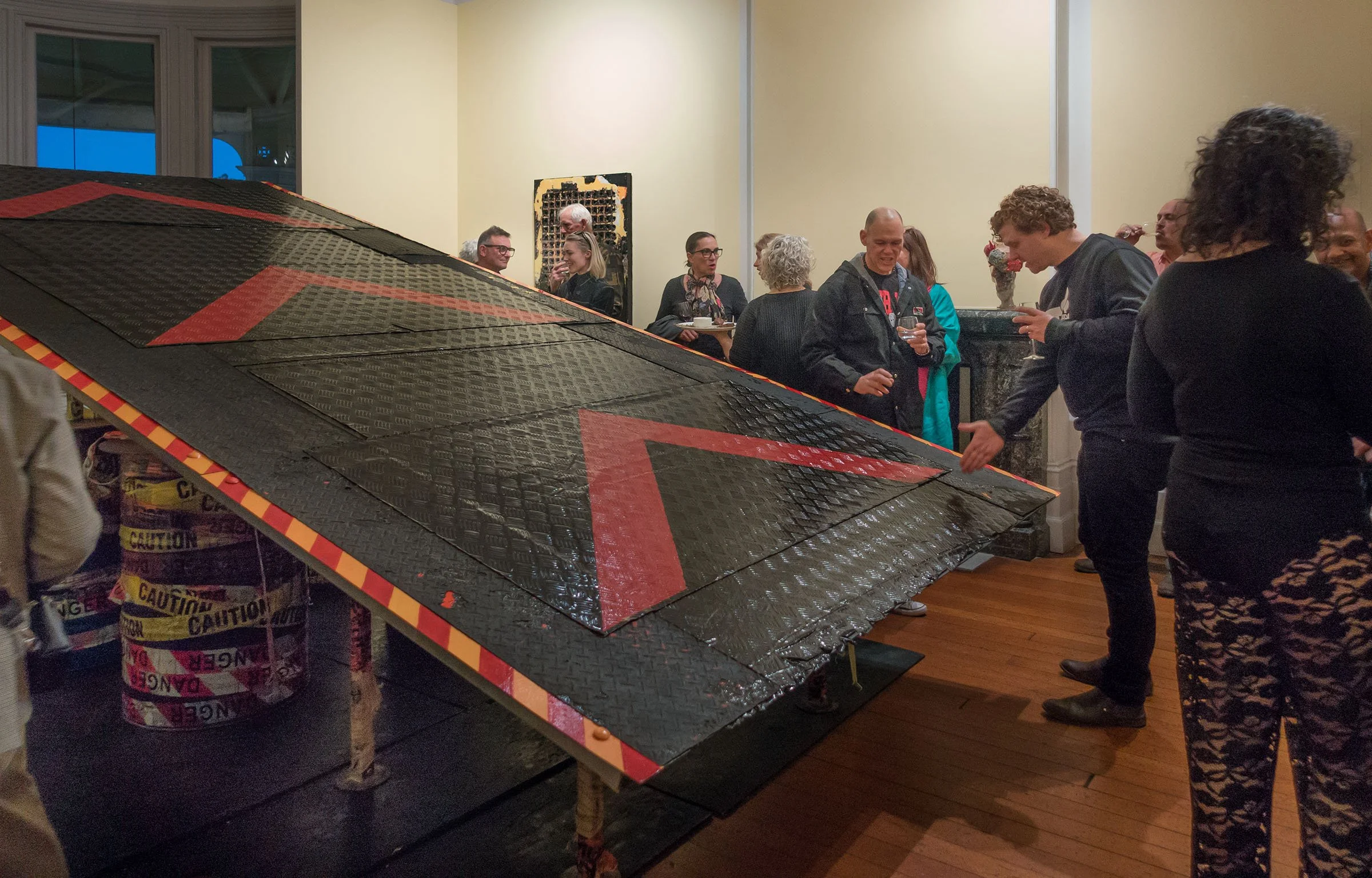
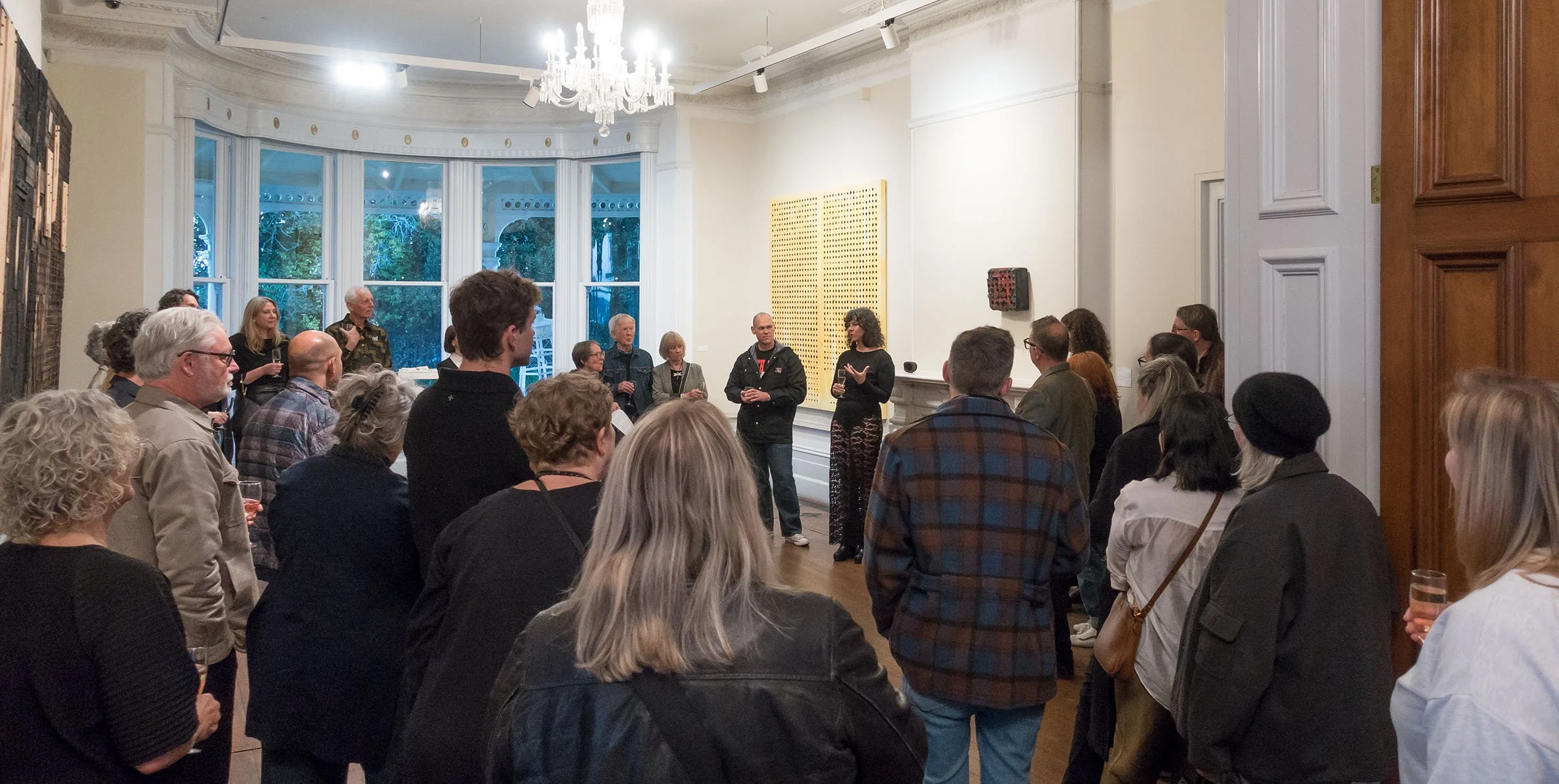
Opening of Sefton Rani: Clear My Throat, 2026. Photos courtesy of artsdiary.co.nz
Events & Public Programme
Opening Celebration
Thursday 20 August • 6 - 7:30PMIn Conversation: Dina Jezdić & Sefton Rani
Saturday 22 August • 3 - 4PM
Exhibition Sponsors